

Puree
Acai
Fruit & Vegetable Purees
View product →Fruit and vegetable purees provide natural flavor, color, pulp, body and plant solids in a pumpable ingredient format for industrial manufacturing. PFVN's portfolio covers fruit, berry, tropical and vegetable purees for beverages, baby food, dairy, bakery, sauces, desserts and prepared foods. Request the current specification, pack format, origin and commercial availability for the product required by your formulation.
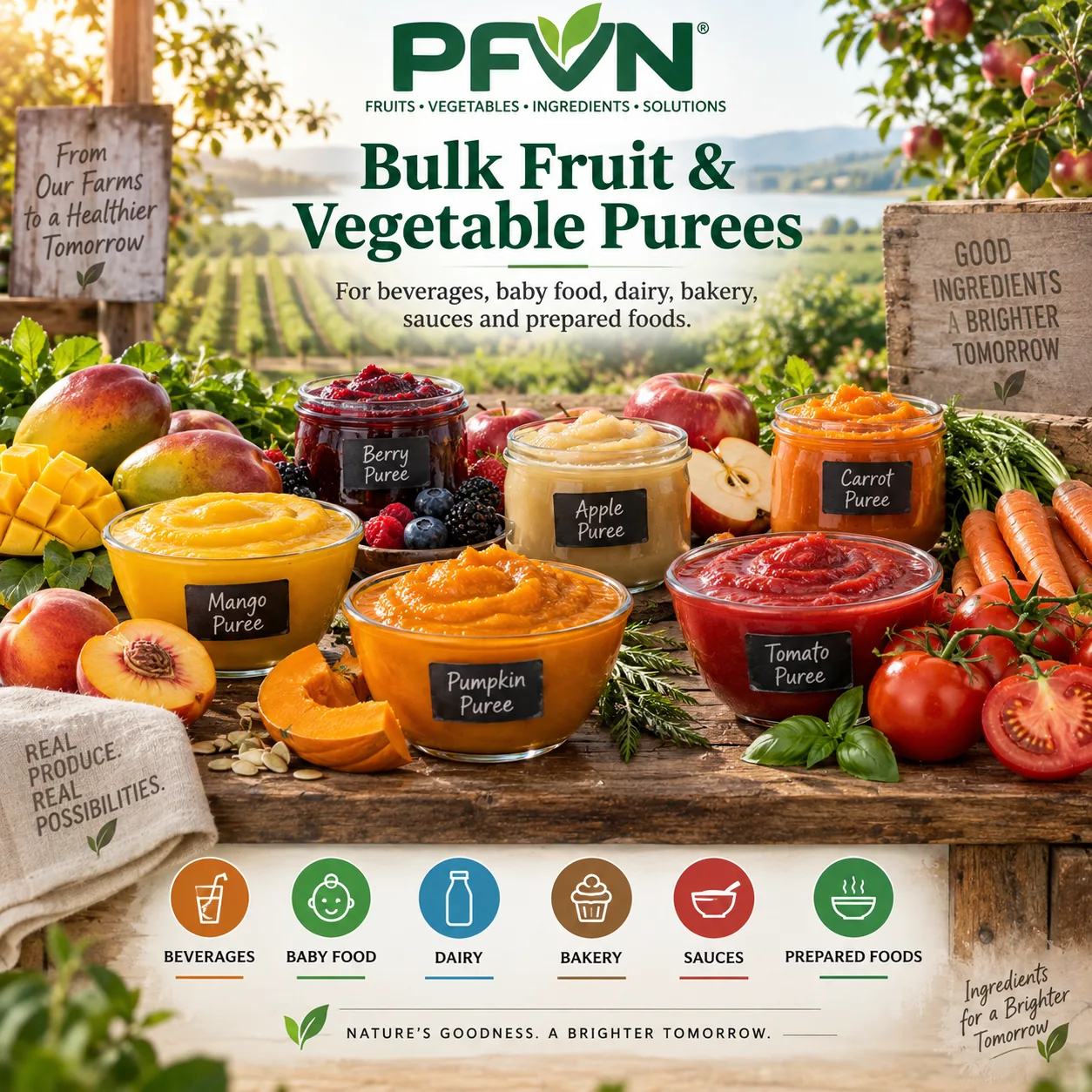
Puree is produced from the edible portion of fruit or vegetables by crushing, pulping, refining or sieving to create a smooth or controlled-texture ingredient. Unlike clarified juice, puree normally retains a meaningful portion of the natural pulp, fiber and insoluble solids that influence mouthfeel, opacity, viscosity and finished-product texture.
Raw-material character remains important after processing. Variety, growing region, maturity at harvest, natural sugar-acid balance, color pigments, fiber, seed or skin content and processing conditions can all affect the finished puree. Apple and pear typically provide mild flavor and useful body; stone fruits such as peach, apricot and plum contribute aromatic fruit character; berries supply stronger color and acidity; tropical fruits such as mango, banana, guava and passion fruit can deliver pronounced aroma and higher body; and vegetable purees are widely used for savory flavor, color, solids and texture.
Depending on the product and source, puree may be supplied at natural strength, as a standardized or concentrated puree, and in aseptic, frozen or other commercially appropriate formats. Buyers should qualify the actual offered material rather than assume that puree from different origins or processors will perform identically.
The source material determines much of the ingredient's natural sweetness, acidity, aroma, color, fiber and rheology. These differences matter when selecting a puree for pumping, blending, heat processing and final-product sensory performance.
Apple, pear, peach, apricot, plum and cherry purees are widely used where balanced fruit flavor, body and natural solids are required. Variety and maturity can materially affect °Brix, acidity, color and texture.
Strawberry, raspberry, blackberry, blueberry, cranberry, aronia and acai are valued for recognizable flavor and color. Seed load, acidity, pigment stability and degree of finishing are important formulation considerations.
Mango, banana, pineapple, guava, papaya, passion fruit, lychee and kiwi can range from highly aromatic and acidic to dense and creamy. Fiber, viscosity, enzymatic activity and aroma retention may be important to process design.
Tomato, pumpkin, squash, sweet potato, carrot blends, leafy vegetables, onion and other vegetable purees contribute solids, color, savory flavor and texture. Their pH and thermal-processing requirements can differ significantly from high-acid fruit purees.
Specifications are product- and source-specific. Purchasing, quality and product-development teams commonly review the parameters below together with the applicable product specification and certificate of analysis. Test method and temperature should be considered when comparing data between suppliers.
°Brix is a primary control point for fruit purees because it affects fruit solids, sweetness, formulation yield and batch consistency. Natural-strength values vary by species, cultivar, maturity, crop and processing method; standardized or concentrated products should be identified separately.
pH and titratable acidity help define flavor balance and influence thermal processing, preservation strategy and compatibility with other ingredients. The acid profile can differ considerably between berries, tropical fruits, low-acid vegetables and blended purees.
Viscosity, flow and consistency affect pumping, mixing, filling and finished texture. Depending on the product, data may be expressed by instrument viscosity, Bostwick consistency or another defined method, so test conditions should be compared on the same basis.
Refining and finishing determine smoothness, fiber level and the presence of seed or coarse particles. Beverage bases may require a finer finish, while sauces, fillings and specialty products may benefit from more retained pulp or a defined particle profile.
Commercial evaluation normally includes characteristic color, aroma, flavor, mouthfeel and appearance. Crop origin, maturity, oxidation, heat exposure and storage history can influence color intensity and fresh-fruit character.
Specifications may define limits or testing requirements for aerobic plate count, yeast and mold, coliforms and relevant pathogens. Acceptance criteria depend on the raw material, processing system, packaging and intended use.
Buyers should confirm whether the offered product is 100% fruit or vegetable, standardized for solids, concentrated, blended, or produced with any permitted processing aids or added ingredients. The commercial description and ingredient statement should match the formulation and labeling requirement.
Programs may include limits for foreign material, pit or seed fragments, peel, dark specks, fibers or other product-specific defects. Critical visual or physical tolerances should be written into the purchasing specification before commercial approval.
Fruit & Vegetable Purees
View product →
Fruit & Vegetable Purees
View product →
Fruit & Vegetable Purees
View product →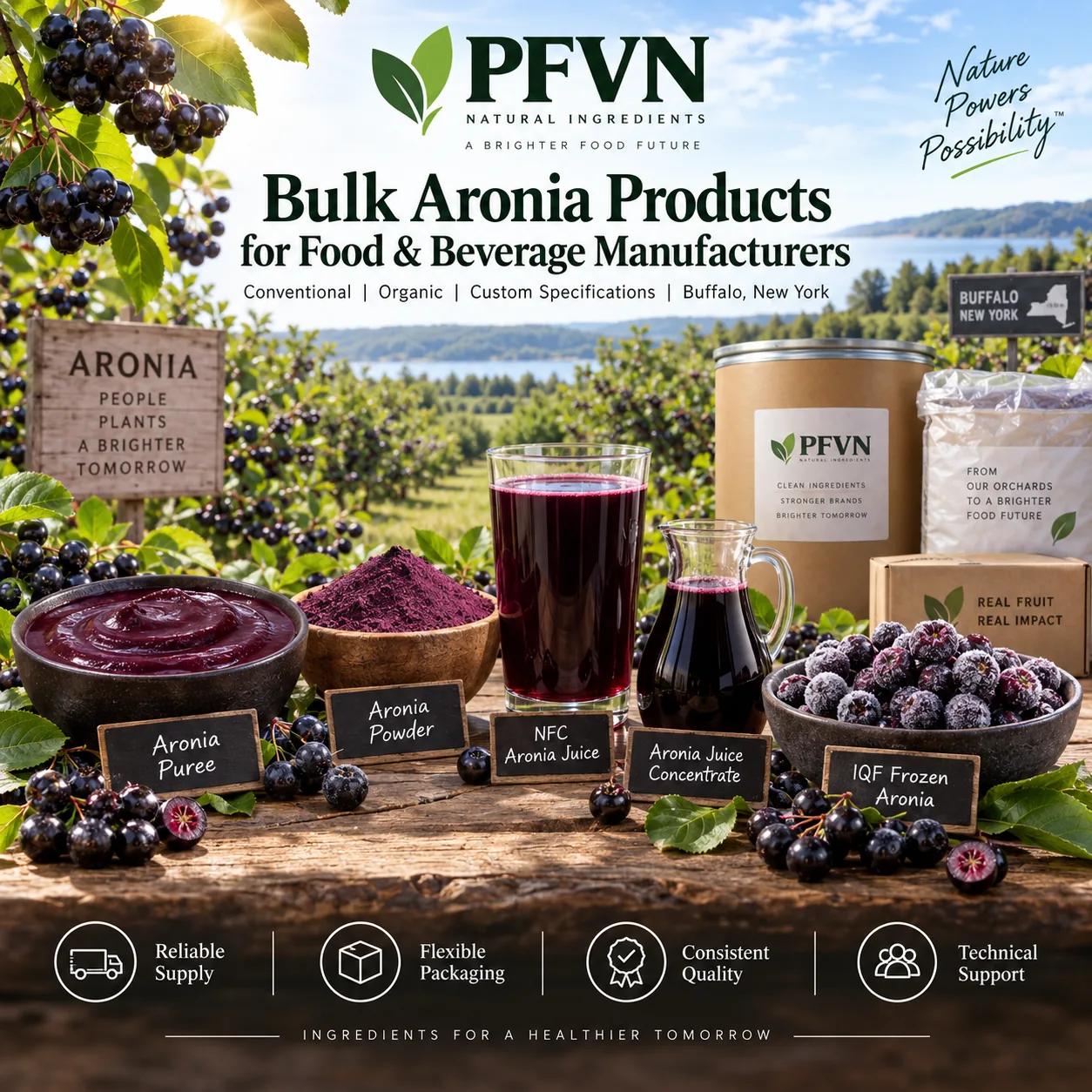
Fruit & Vegetable Purees
View product →
Fruit & Vegetable Purees
View product →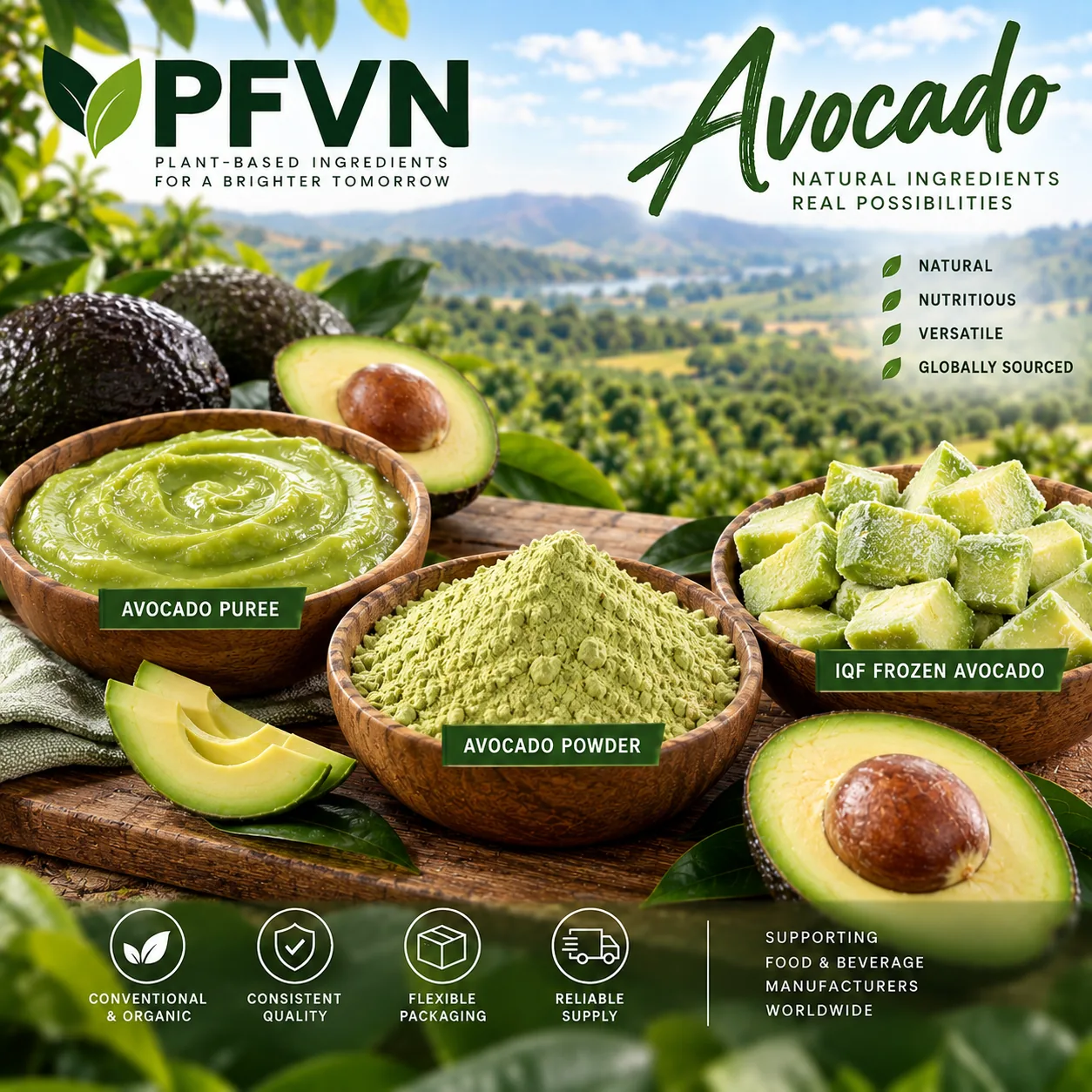
Fruit & Vegetable Purees
View product →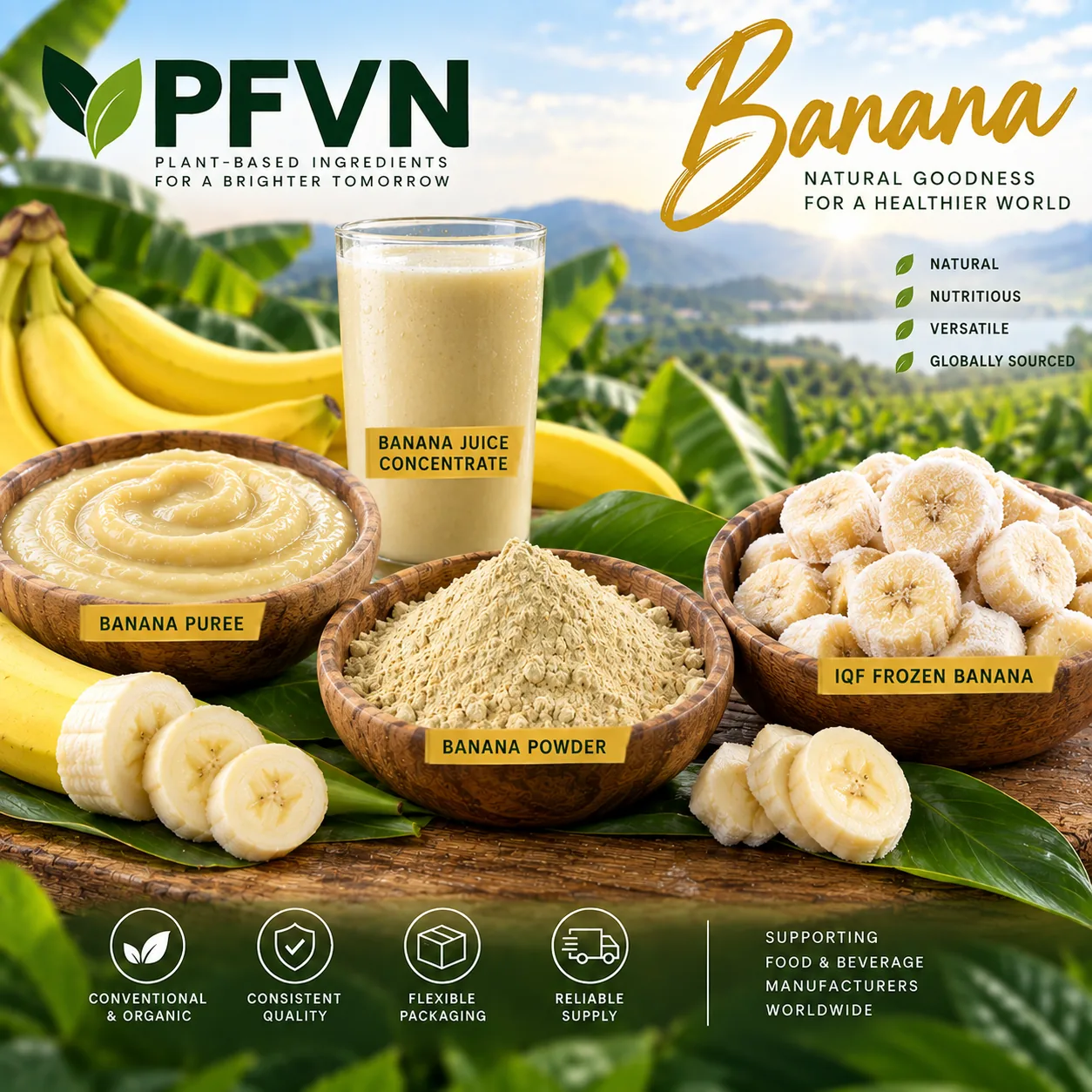
Fruit & Vegetable Purees
View product →
Fruit & Vegetable Purees
View product →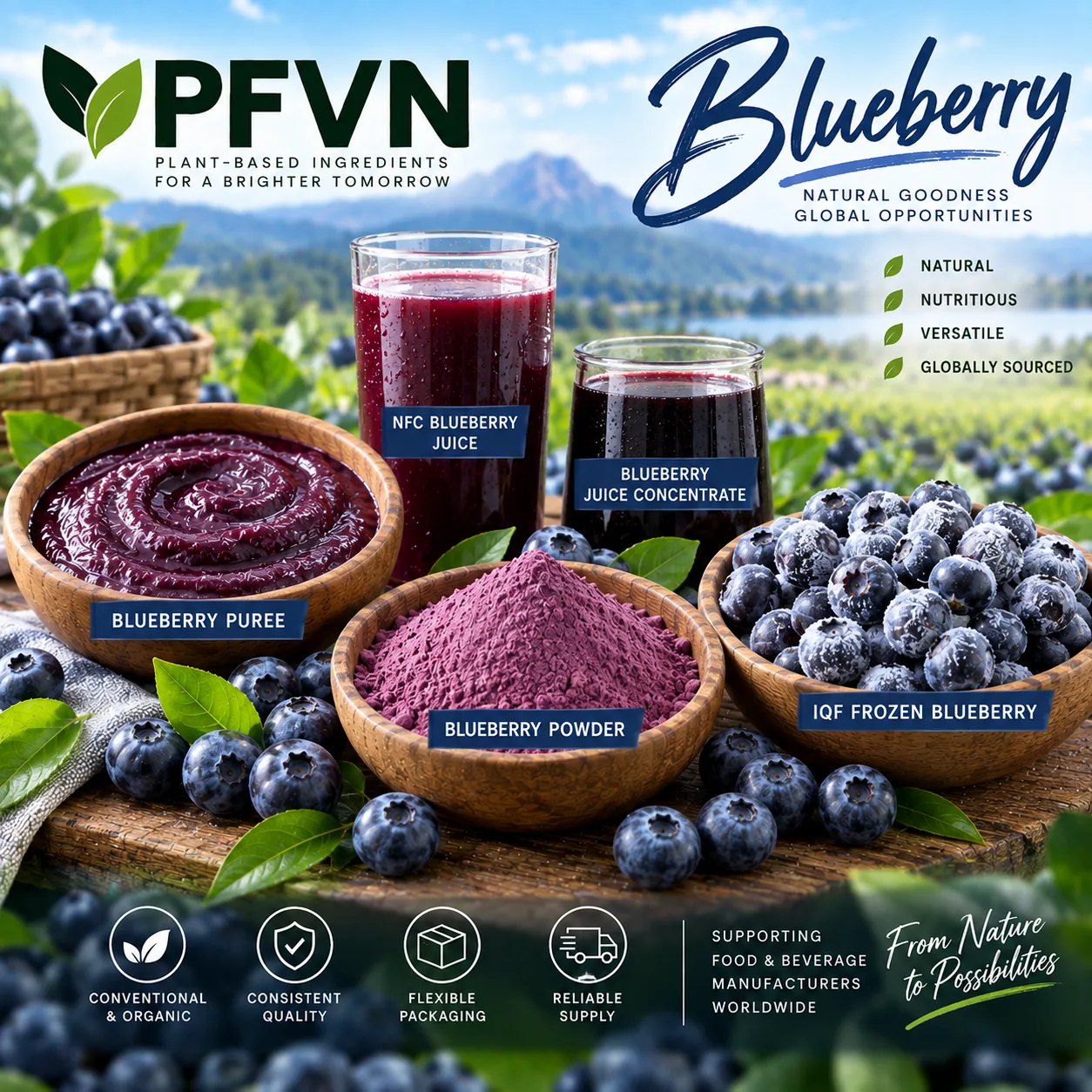
Fruit & Vegetable Purees
View product →
Fruit & Vegetable Purees
View product →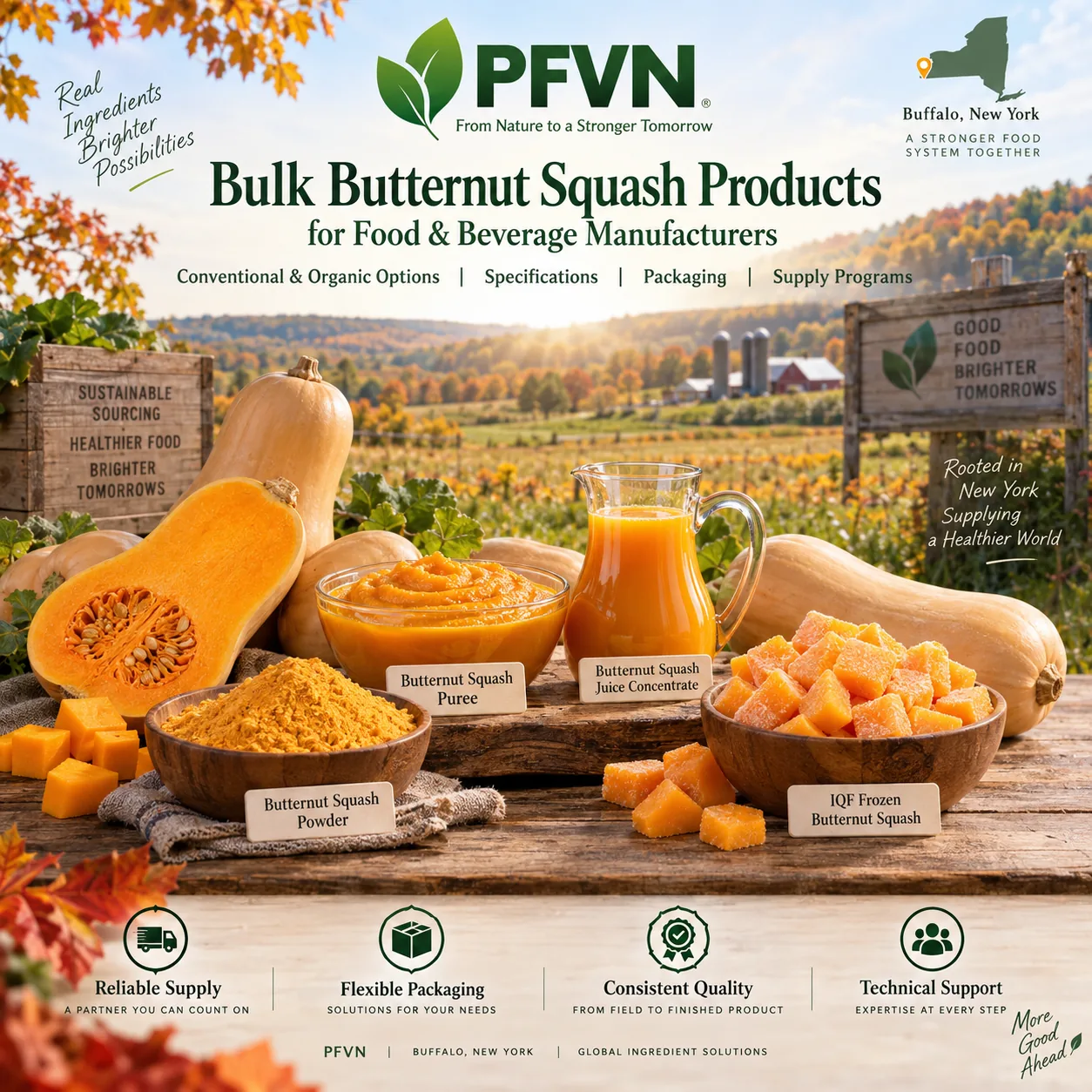
Fruit & Vegetable Purees
View product →
Fruit & Vegetable Purees
View product →
Fruit & Vegetable Purees
View product →
Fruit & Vegetable Purees
View product →
Fruit & Vegetable Purees
View product →
Fruit & Vegetable Purees
View product →
Fruit & Vegetable Purees
View product →
Fruit & Vegetable Purees
View product →
Fruit & Vegetable Purees
View product →
Fruit & Vegetable Purees
View product →
Fruit & Vegetable Purees
View product →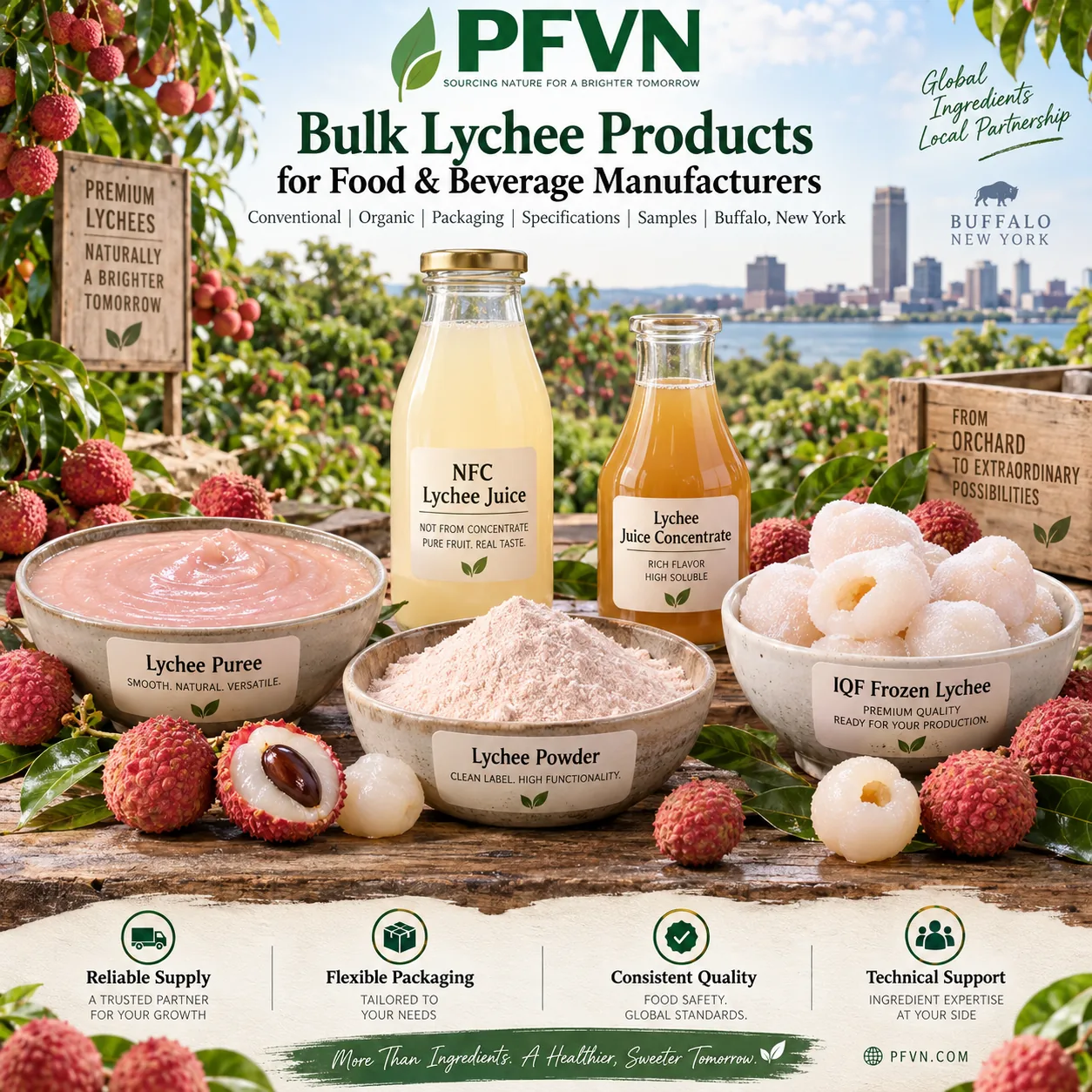
Fruit & Vegetable Purees
View product →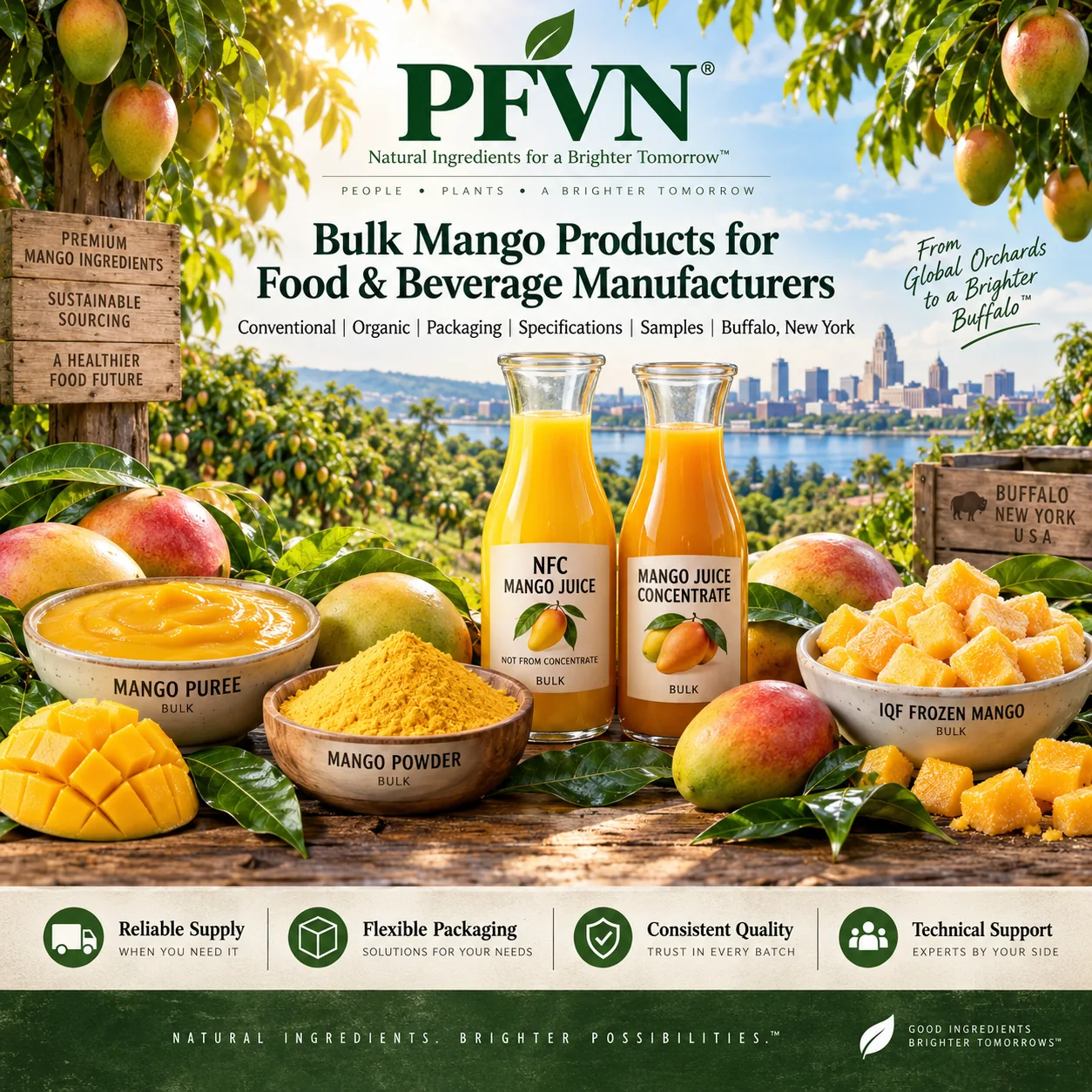
Fruit & Vegetable Purees
View product →
Fruit & Vegetable Purees
View product →
Fruit & Vegetable Purees
View product →
Fruit & Vegetable Purees
View product →
Fruit & Vegetable Purees
View product →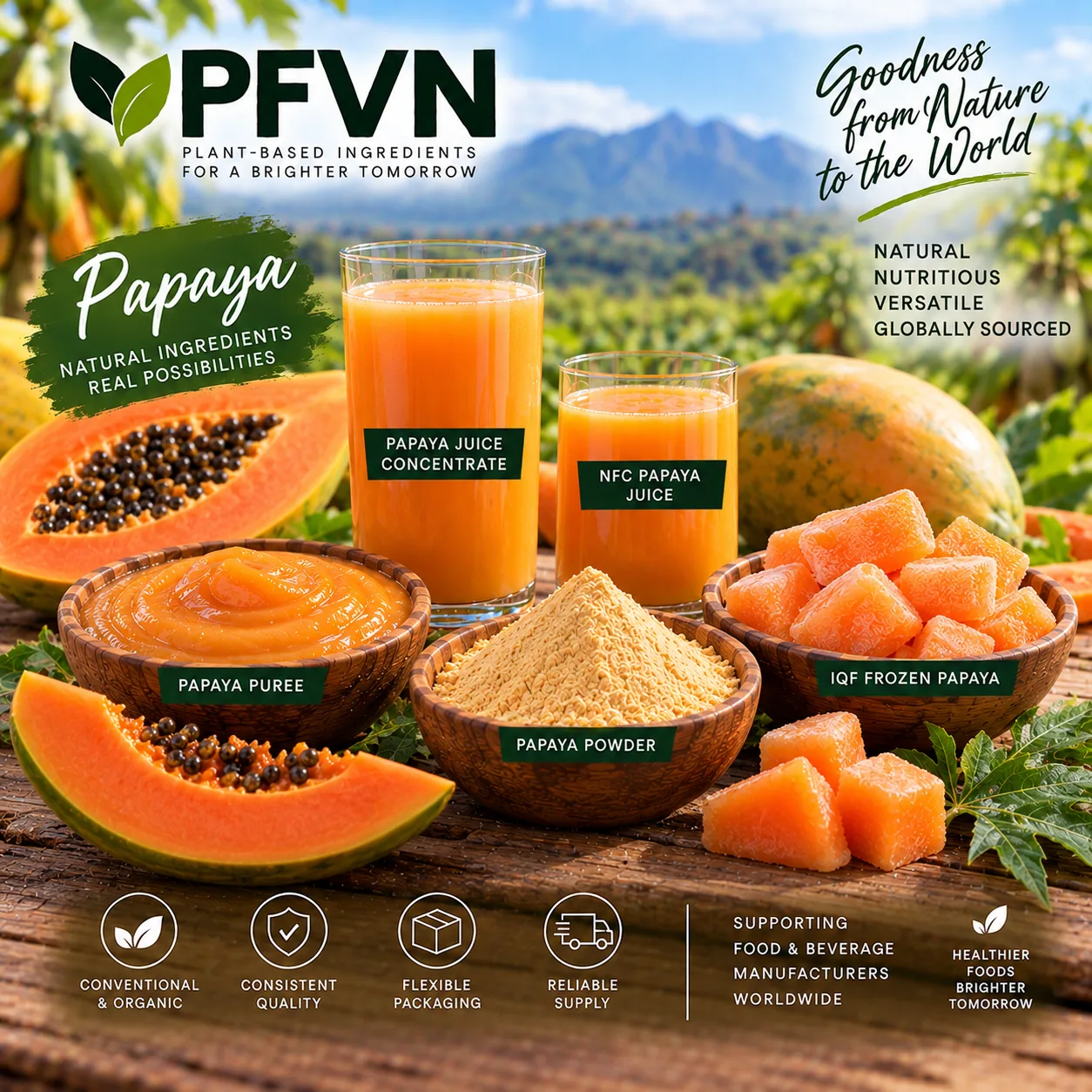
Fruit & Vegetable Purees
View product →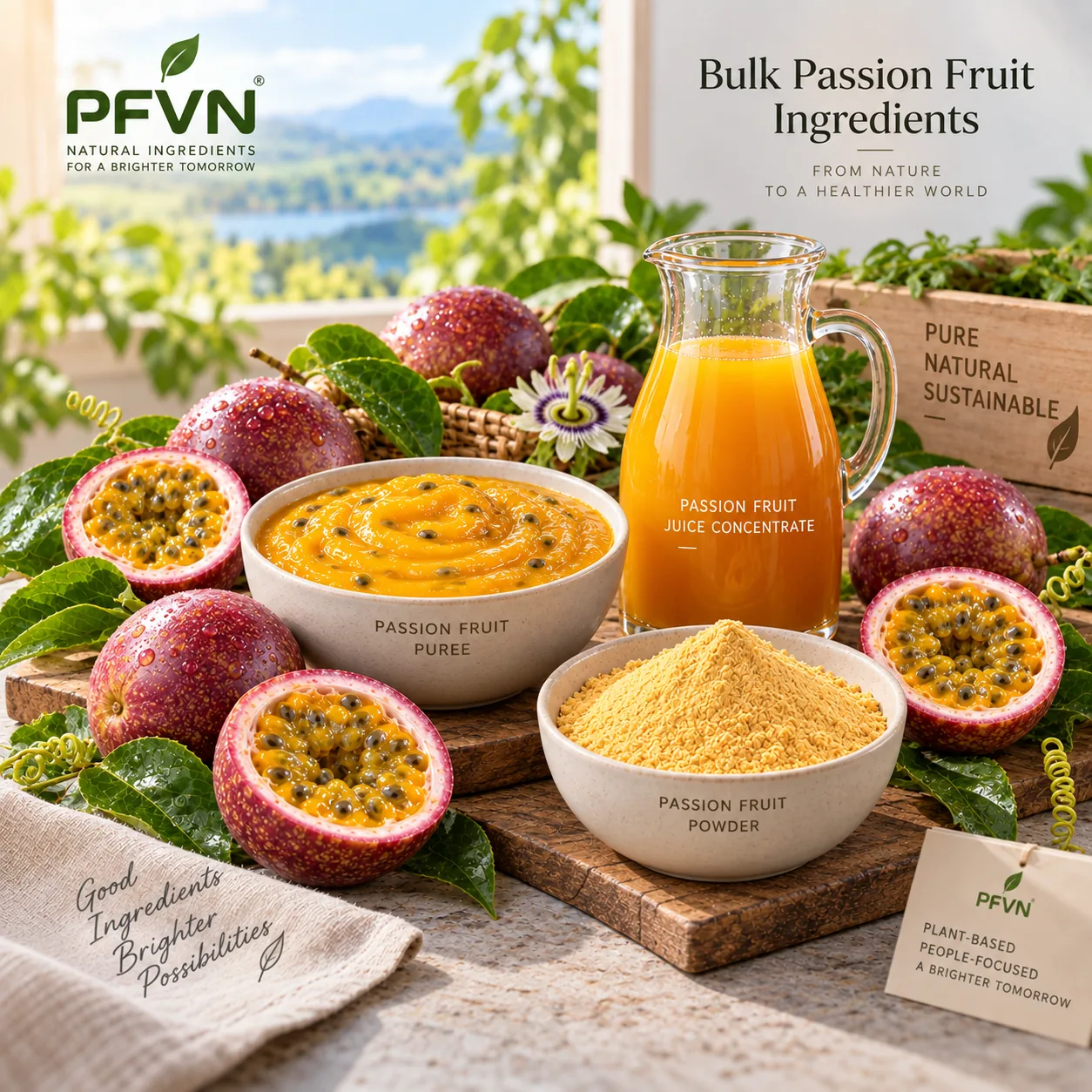
Fruit & Vegetable Purees
View product →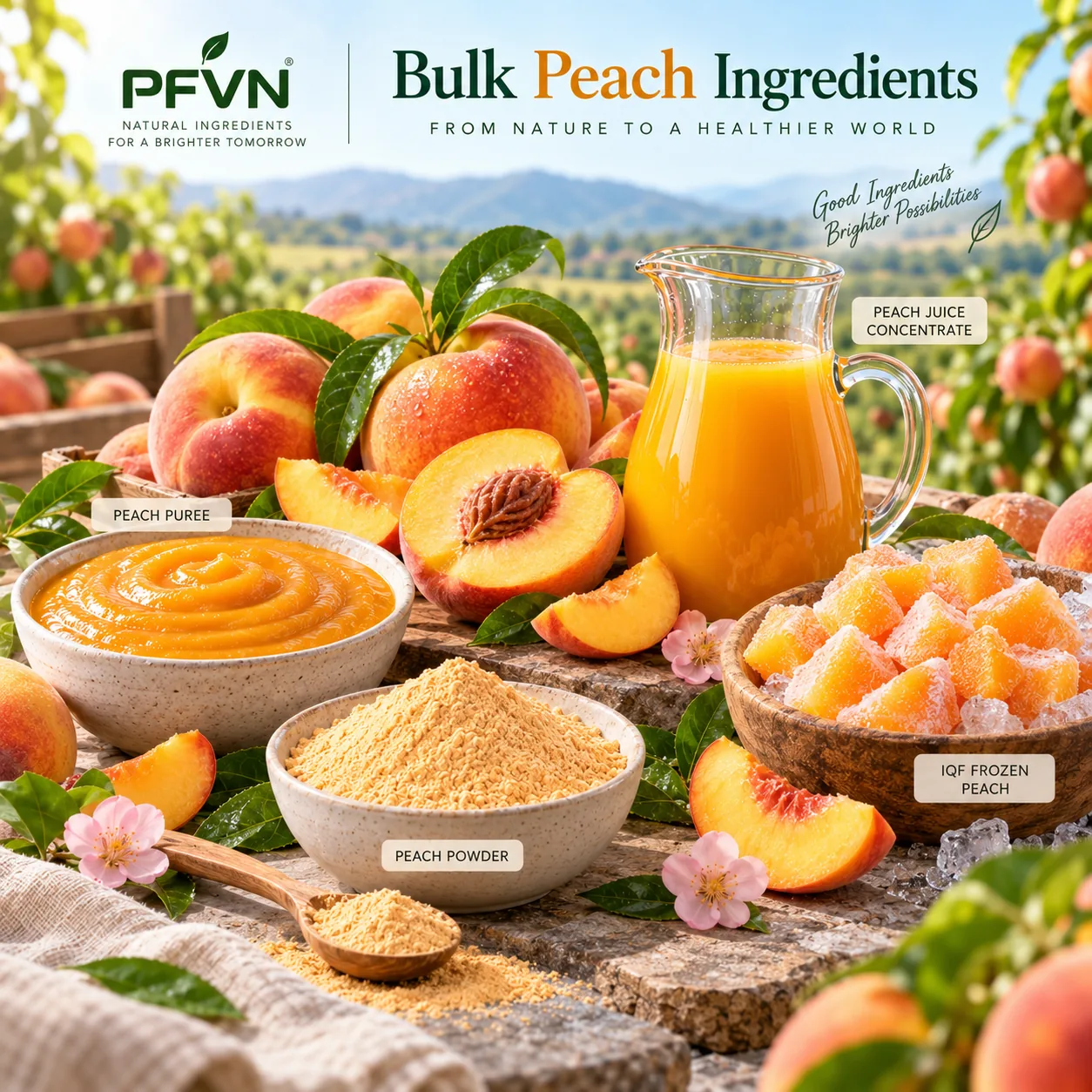
Fruit & Vegetable Purees
View product →
Fruit & Vegetable Purees
View product →
Fruit & Vegetable Purees
View product →
Fruit & Vegetable Purees
View product →
Fruit & Vegetable Purees
View product →
Fruit & Vegetable Purees
View product →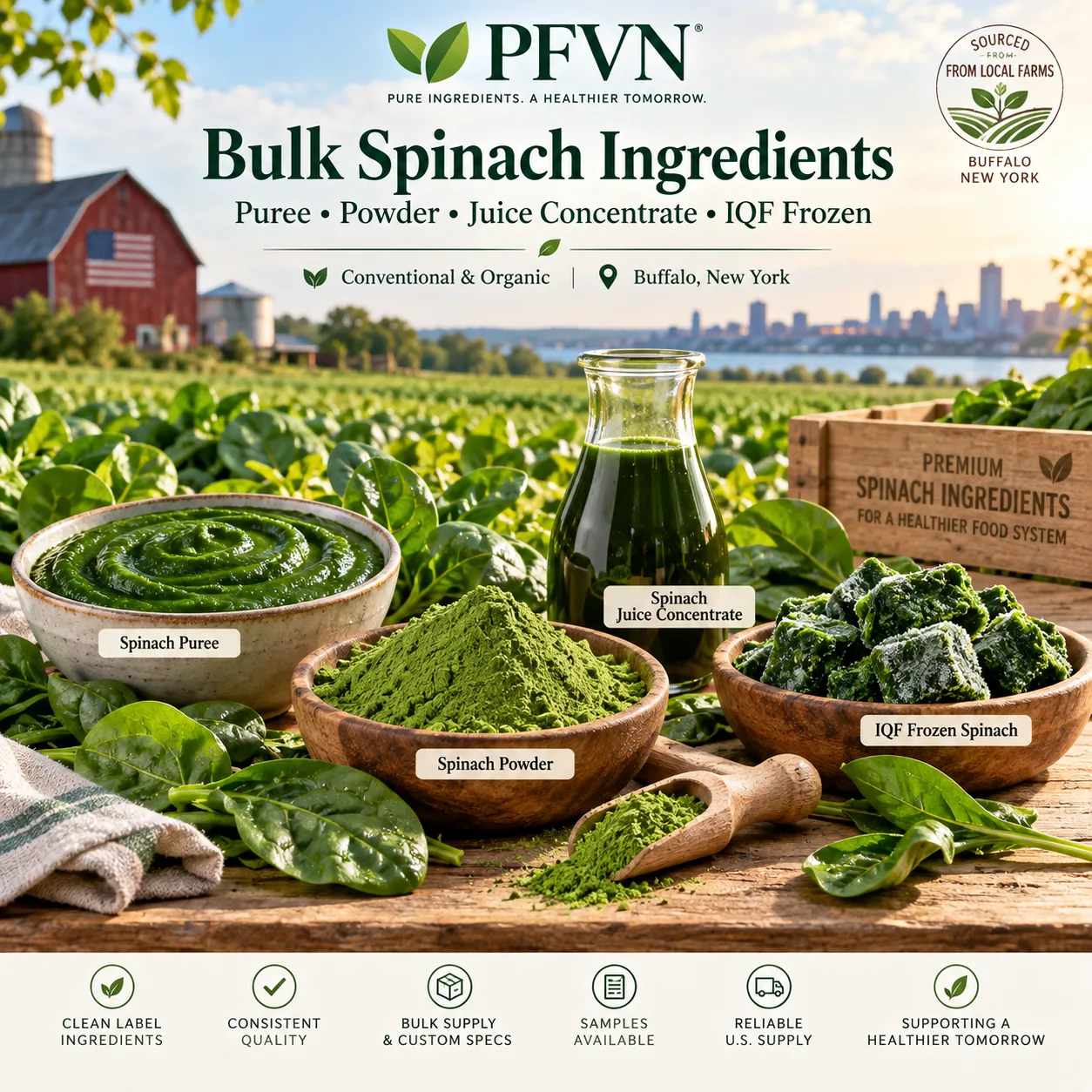
Fruit & Vegetable Purees
View product →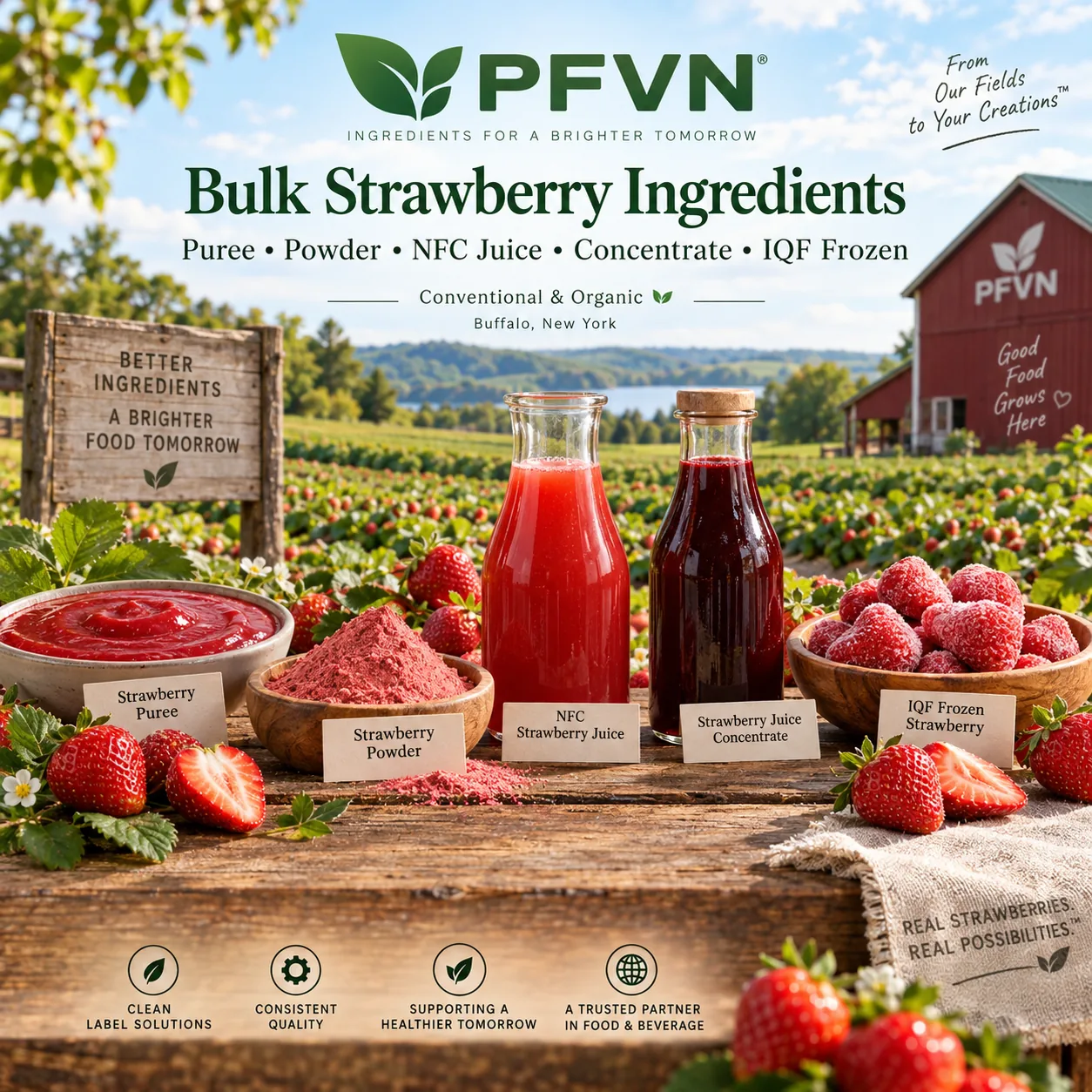
Fruit & Vegetable Purees
View product →
Fruit & Vegetable Purees
View product →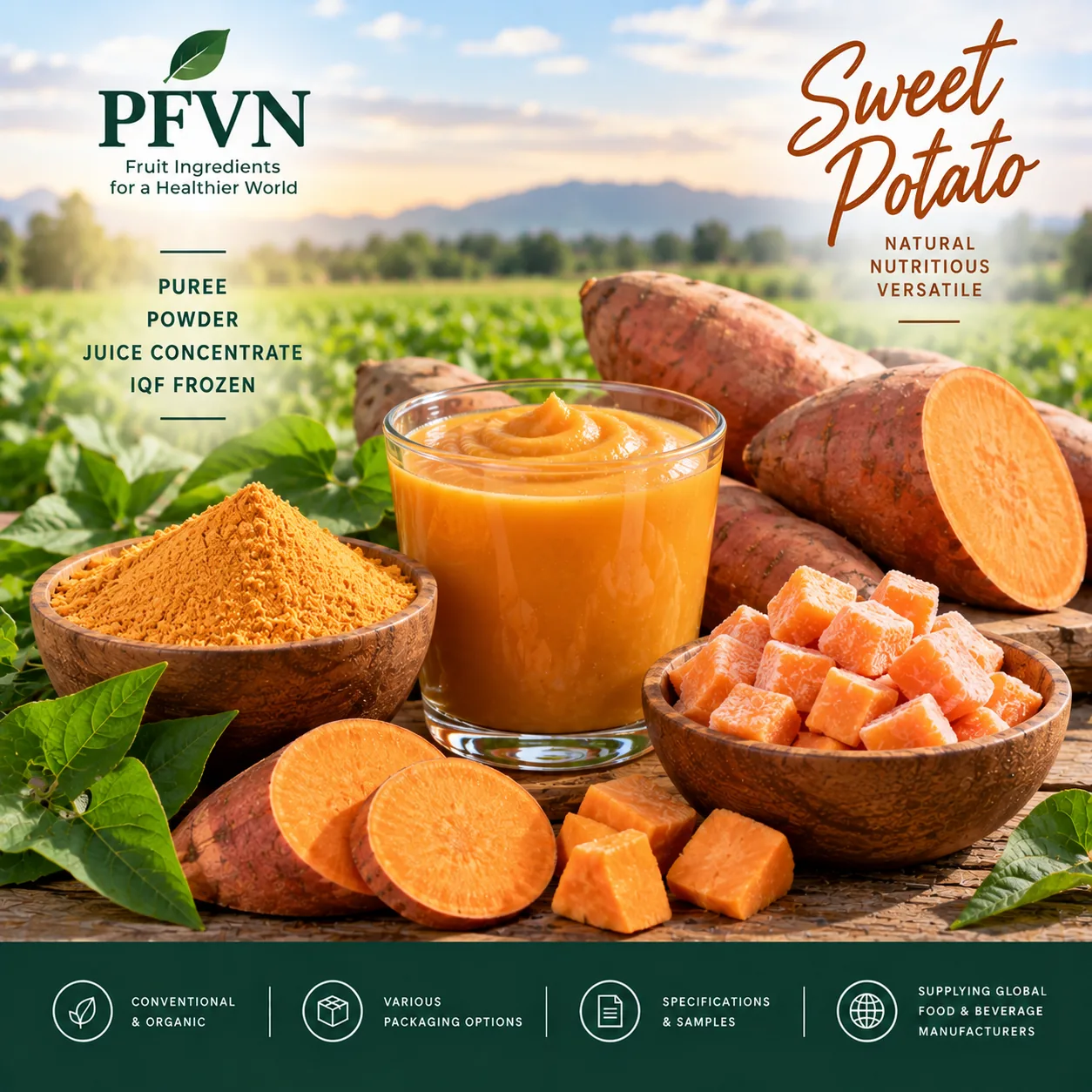
Fruit & Vegetable Purees
View product →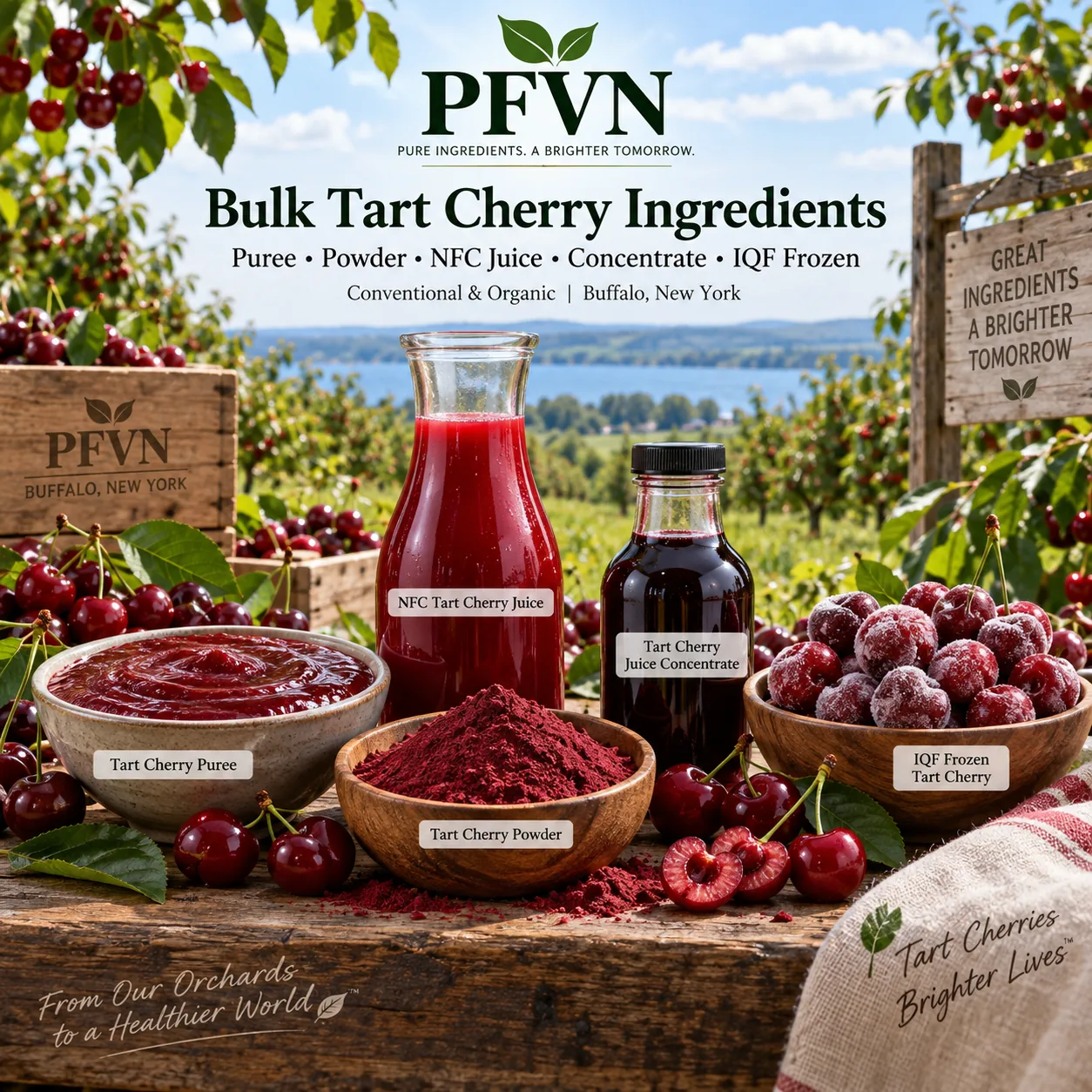
Fruit & Vegetable Purees
View product →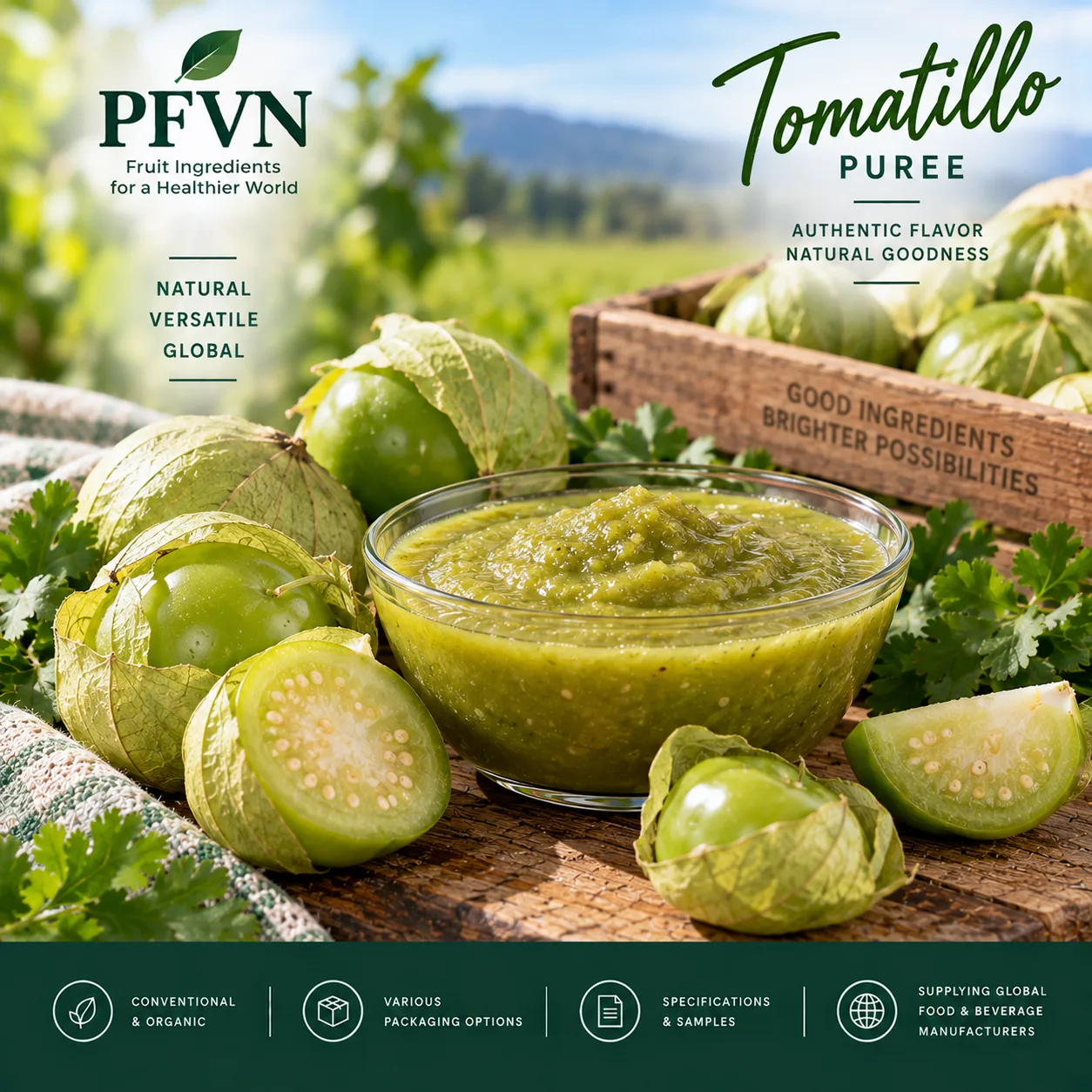
Fruit & Vegetable Purees
View product →
Fruit & Vegetable Purees
View product →The same fruit may be offered in different puree formats, origins and pack configurations. Format selection affects handling, storage, freight, shelf life, plant sanitation and the way the ingredient is introduced into a batch. Confirm the exact commercial offer rather than assuming all purees are supplied in the same form.
Aseptically processed puree is thermally treated and filled into a sterile barrier package. Many commercial aseptic purees are designed for ambient storage before opening, which can simplify warehousing and distribution; the actual shelf life and storage temperature remain product-specific.
Frozen puree is shipped and stored under a controlled frozen chain. It may be preferred for certain products or sensory targets, but requires freezer capacity, thaw planning and temperature-controlled logistics throughout distribution and plant handling.
Common market configurations include aseptic bag-in-drum packs around the 200 kg class, smaller bag-in-box or pail formats, and product-specific frozen packs. Net weight, liner construction, pallet pattern and container loading vary by supplier and should be confirmed with the quotation.
Country of origin, crop calendar, cultivar and harvest conditions can affect flavor, color, solids and annual availability. For repeat programs, buyers should discuss crop timing, approved origins, continuity of supply and whether alternative origins require prior qualification.
Commercial inquiries are more actionable when they include trial quantity, expected production volume, annual demand, destination and required delivery date. Minimum order quantity, production lead time and freight economics can differ between stock items and origin-specific production programs.
Qualification packages may include the product specification, certificate of analysis, ingredient statement, allergen declaration, microbiological limits, nutrition data, country of origin, traceability information and available food-safety or certification documents.
Storage requirements depend on whether the puree is aseptic, frozen, refrigerated or otherwise preserved. Shelf life applies only when the specified storage and package conditions are maintained; opened-pack handling should follow the processor's instructions and the customer's food-safety plan.
Agricultural ingredients naturally vary by crop and lot. Where color, °Brix, acidity, viscosity or sensory characteristics are critical to the finished product, define acceptable ranges in advance and verify each lot against the applicable certificate and incoming-quality program.
Purees are used when a formulation needs more than juice alone: recognizable fruit or vegetable character, suspended pulp, viscosity, color, natural solids and a fuller eating or drinking texture. Major uses include smoothies and beverage bases, baby and toddler foods, yogurt fruit preparations, ice cream and frozen desserts, bakery fillings, jams and spreads, dessert sauces, fruit leathers, savory sauces, soups and prepared foods. The required °Brix, acidity, screen size and consistency depend on the process and finished product.
Two purees carrying the same fruit name can differ in solids, acidity, color, fiber, viscosity and sensory profile. A useful purchasing specification therefore starts with the finished-product requirement and works backward to the raw material, processing format and logistics.
Published reference values are useful for product development, but they should not replace the current supplier specification. Crop conditions, variety, maturity, origin, refining, thermal treatment and storage can influence the actual ingredient delivered to your facility.
For trials and supplier approval, request the specification and representative sample for the offered source, then confirm critical parameters against your formulation and process. Where consistency is especially important, define mandatory acceptance ranges and documentation requirements before scale-up.
Include target °Brix, pH or acidity, viscosity or screen requirement, preferred aseptic or frozen pack, trial quantity, annual demand and required delivery timing where these are already known.
Share Brix/solids, sieve finish, viscosity, process, aseptic or frozen pack preference and volume.