

Juice Concentrate
Acai
Juice Concentrates
View product →Conventional and organic concentrate programs for industrial beverage, dairy, bakery, confectionery, fermentation and savory-food manufacturing. Concentrates remove part of the naturally occurring water from juice, increasing soluble-solids density and allowing manufacturers to add fruit or vegetable character, sweetness, acidity, color and solids with less shipping and storage volume than single-strength juice.
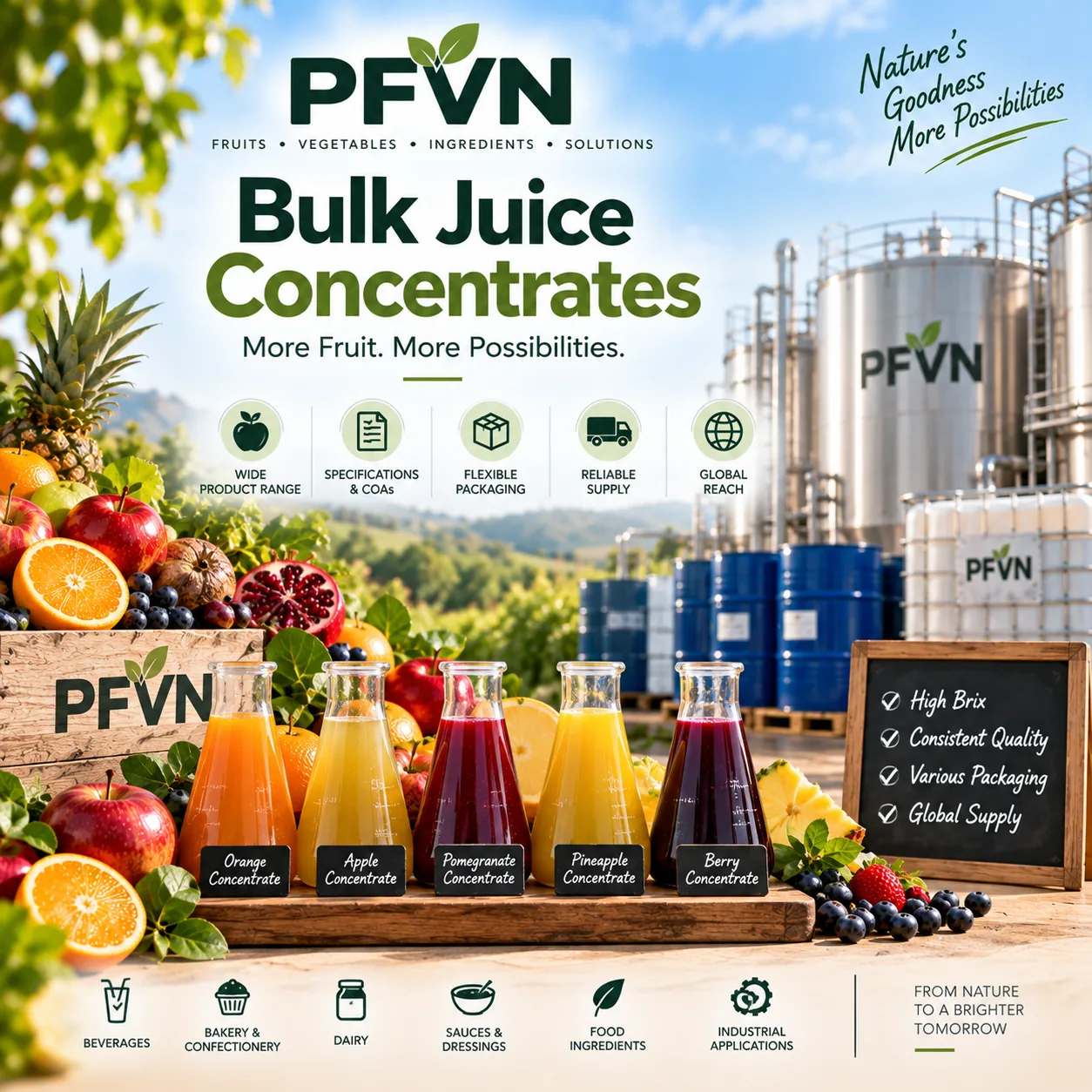
Compare published examples and product-specific qualification requirements. Values describe commercial reference grades, not every available grade. Supplier examples do not establish PFVN availability. Packaging is subject to grade and quotation; request a lot-specific COA.
| Ingredient | Commercial °Brix reference | pH reference | Packaging to discuss |
|---|---|---|---|
| Bulk Acai Juice Concentrate | 23–32° Brix reference range | Confirm the offered grade and test conditions | Drums; other packs by quotation |
| Bulk Apple Juice Concentrate | 70 °Brix | 3.2–4.4 | Drums; other packs by quotation |
| Bulk Apricot Juice Concentrate | 65 °Brix | 3.2–3.8 | Drums; other packs by quotation |
| Bulk Aronia Juice Concentrate | Typically 65–68° Brix | Confirm the offered grade and test conditions | Drums; other packs by quotation |
| Bulk Banana Juice Concentrate | 65 °Brix | 4.2–5.2 | Drums; other packs by quotation |
| Bulk Blackberry Juice Concentrate | 65 °Brix | 3.2–3.8 | Drums; other packs by quotation |
| Bulk Blackcurrant Juice Concentrate | Typically around 65° Brix | Confirm the offered grade and test conditions | Drums; other packs by quotation |
| Bulk Blood Orange Juice Concentrate | Specify the required grade and tolerance | Confirm the offered grade and test conditions | Drums; other packs by quotation |
| Bulk Blueberry Juice Concentrate | 65 °Brix | 2.6–3.8 | Drums; other packs by quotation |
| Bulk Butternut Squash Juice Concentrate | Specify the required grade and tolerance | Confirm the offered grade and test conditions | Drums; other packs by quotation |
| Bulk Celery Juice Concentrate | Specify the required grade and tolerance | Confirm the offered grade and test conditions | Drums; other packs by quotation |
| Bulk Concord Grape Juice Concentrate | 67–69 (direct, 20°C) °Brix | 2.70–4.00 | Drums; other packs by quotation |
| Bulk Cranberry Juice Concentrate | 50 °Brix | 2.0–3.1 | Drums; other packs by quotation |
| Bulk Cucumber Juice Concentrate | 44–46 °Brix | 4.5–6.7 | Drums; other packs by quotation |
| Bulk Dark Sweet Cherry Juice Concentrate | 68 °Brix | 3.3–4.3 | Drums; other packs by quotation |
| Bulk Elderberry Juice Concentrate | Typically around 65° Brix | pH & acidity Commercial examples: pH 3.0–4.8 Current 65° Brix programs report titratable acidity broadly around 3–10% at concentrate strength, with specifications expressed as either citric or malic acid depending on the supplier. (Existing product overview; confirm current supplier specification.) | Drums; other packs by quotation |
| Bulk Fig Juice Concentrate | Typically around 70° Brix | pH Approximately 3.5–4.5 Current commercial specifications can fall broadly within this range. Exact pH varies by fruit source and processing and should be confirmed where it affects preservation, formulation or finished-product stability. (Existing product overview; confirm current supplier specification.) | Drums; other packs by quotation |
| Bulk Grapefruit Juice Concentrate | 62 °Brix | 3.0–3.8 | Drums; other packs by quotation |
| Bulk Green Grape Juice Concentrate | Typically 65–68° Brix | pH Approximately 2.4–4.4 Current commercial specifications can span this general range depending on variety, source and concentration. Buyers with strict beverage or process targets should specify an acceptable pH window. (Existing product overview; confirm current supplier specification.) | Drums; other packs by quotation |
| Bulk Guava Juice Concentrate | Specify the required grade and tolerance | Confirm the offered grade and test conditions | Drums; other packs by quotation |
| Bulk Kale Juice Concentrate | Commercial 40° Brix programs | Confirm the offered grade and test conditions | Drums; other packs by quotation |
| Bulk Kiwi Juice Concentrate | Specify the required grade and tolerance | Confirm the offered grade and test conditions | Drums; other packs by quotation |
| Bulk Lemon Juice Concentrate | Specify the required grade and tolerance | Confirm the offered grade and test conditions | Drums; other packs by quotation |
| Bulk Lime Juice Concentrate | Specify the required grade and tolerance | pH & acidity Very high natural acidity Commercial 400 GPL examples show pH roughly 1.4–3.0, with Tahiti-lime specifications commonly near pH 1.8–2.8. Titratable acidity is typically expressed as anhydrous citric acid. (Existing product overview; confirm current supplier specification.) | Drums; other packs by quotation |
| Bulk Lychee Juice Concentrate | Approximately 28–32° Brix | Confirm the offered grade and test conditions | Drums; other packs by quotation |
| Bulk Mandarin Orange Juice Concentrate | Commercially about 60–65° Brix | pH & acidity Typically around pH 3.0–4.0 Mandarin concentrates have a characteristic citric-acid profile. Titratable acidity is generally reported as citric acid and should be reviewed together with Brix to evaluate sweetness-to-acid balance. (Existing product overview; confirm current supplier specification.) | Drums; other packs by quotation |
| Bulk Mango Juice Concentrate | Approximately 28–30° Brix | Acidity & pH Variety and process dependent Pulpy 28–30° Brix commercial programs may be specified around pH 3.5–4.0 with acidity around or below approximately 1.2% as citric acid. Clarified 65° Brix products can have higher concentrated acidity and lower pH. (Existing product overview; confirm current supplier specification.) | Drums; other packs by quotation |
| Bulk Melon Juice Concentrate | Approximately 45–65° Brix | Confirm the offered grade and test conditions | Drums; other packs by quotation |
| Bulk Onion Juice Concentrate | Typically 65–72° Brix | Confirm the offered grade and test conditions | Drums; other packs by quotation |
| Bulk Orange Carrot Juice Concentrate | Specify the required grade and tolerance | pH & acidity Often around pH 4.0–5.0 Documented supplier programs commonly fall within this range. Titratable acidity varies with concentration and may be reported as citric acid, so compare products on the same analytical basis. (Existing product overview; confirm current supplier specification.) | Drums; other packs by quotation |
| Bulk Orange Juice Concentrate | 62 °Brix | 3.3–4.0 | Drums; other packs by quotation |
| Bulk Passion Fruit Juice Concentrate | Typically around 50° Brix | pH Approximately 2.3–3.5 Commercial 50° Brix products frequently fall within a strongly acidic pH range. Exact pH should be confirmed because it affects flavor balance, formulation, processing and compatibility with other ingredients. (Existing product overview; confirm current supplier specification.) | Drums; other packs by quotation |
| Bulk Peach Juice Concentrate | 65 or 70 °Brix | 3.5–4.0 | Drums; other packs by quotation |
| Bulk Pear Juice Concentrate | 70 °Brix | 3.2–4.4 | Drums; other packs by quotation |
| Bulk Pineapple Juice Concentrate | 65 °Brix | 3.2–4.45 | Drums; other packs by quotation |
| Bulk Plum Juice Concentrate | 68 °Brix | 3.0–3.8 | Drums; other packs by quotation |
| Bulk Pomegranate Juice Concentrate | 65 °Brix | 2.9–3.5 | Drums; other packs by quotation |
| Bulk Prune Juice Concentrate | Specify the required grade and tolerance | Confirm the offered grade and test conditions | Drums; other packs by quotation |
| Bulk Pumpkin Juice Concentrate | Specify the required grade and tolerance | Confirm the offered grade and test conditions | Drums; other packs by quotation |
| Bulk Purple Carrot Juice Concentrate | Approximately 40–65° Brix | Acidity pH typically in the acidic range Many commercial high-color concentrates are supplied around pH 3.0–4.5, often with defined titratable acidity. Acidification and the natural acid profile influence pigment shade and stability, so the exact specification should be reviewed. (Existing product overview; confirm current supplier specification.) | Drums; other packs by quotation |
| Bulk Quince Juice Concentrate | Specify the required grade and tolerance | Confirm the offered grade and test conditions | Drums; other packs by quotation |
| Bulk Raspberry Juice Concentrate | 65 °Brix | 3.0–3.6 | Drums; other packs by quotation |
| Bulk Red Beet Juice Concentrate | 65–70 (acidified example) °Brix | 4.00–5.00 (acidified) | Drums; other packs by quotation |
| Bulk Red Grape Juice Concentrate | Specify the required grade and tolerance | Confirm the offered grade and test conditions | Drums; other packs by quotation |
| Bulk Rhubarb Juice Concentrate | Specify the required grade and tolerance | Confirm the offered grade and test conditions | Drums; other packs by quotation |
| Bulk Spinach Juice Concentrate | Specify the required grade and tolerance | Confirm the offered grade and test conditions | Drums; other packs by quotation |
| Bulk Strawberry Juice Concentrate | 50 or 65 °Brix | 3.1–3.6 | Drums; other packs by quotation |
| Bulk Sweet Potato Juice Concentrate | Specify the required grade and tolerance | Confirm the offered grade and test conditions | Drums; other packs by quotation |
| Bulk Tangerine Juice Concentrate | 60 °Brix | 3.0–4.0 | Drums; other packs by quotation |
| Bulk Tart Cherry Juice Concentrate | 68 °Brix | 3.5–4.3 | Drums; other packs by quotation |
| Bulk Tomato Juice Concentrate | Specify the required grade and tolerance | Acid balance pH & titratable acidity Commercial pH and acidity vary with tomato variety, crop and concentration level. Many tomato ingredients remain below approximately pH 4.5, but the exact pH, acidity basis and acceptable tolerance should be confirmed for each program. (Existing product overview; confirm current supplier specification.) | Drums; other packs by quotation |
| Bulk Watermelon Juice Concentrate | 65 °Brix | 4.3–6.1 | Drums; other packs by quotation |
Juice concentrate is produced by removing water from expressed fruit or vegetable juice, generally under conditions designed to limit excessive thermal damage. The commercial behavior of the resulting ingredient depends on the raw material: sugar profile, natural acidity, pigments, aroma compounds, pulp and soluble solids all differ substantially across the PFVN catalog.
Apple, pear and grape concentrates are important high-solids formulation bases. They can contribute sweetness and fruit solids, with clarified programs often selected where low turbidity or a relatively neutral background profile is useful.
Blackberry, blueberry, blackcurrant, cranberry, cherry, aronia, elderberry and pomegranate provide stronger acidity, color and flavor. Anthocyanin-rich products may require closer control of pH, heat exposure and storage conditions.
Orange, lemon, lime, grapefruit, mandarin, pineapple, mango, passion fruit, guava and related fruits differ widely in acidity, aroma intensity and pulp. Volatile aroma retention and oil or cloud management can be important.
Carrot, beet, celery, cucumber, kale, spinach, onion, pumpkin and tomato concentrates may have lower natural soluble solids, higher natural pH or more suspended material than many fruit concentrates, making process-specific qualification especially important.
Industrial buyers normally qualify more than °Brix. The most relevant parameters depend on the ingredient and application, but the following checkpoints cover the majority of fruit and vegetable concentrate programs.
°Brix is the primary concentration reference for many juice concentrates and is used in yield, dilution and cost-per-solids calculations. Commercial values vary widely by raw material: high-solids apple, grape or pear programs differ greatly from leafy-green, cucumber or other vegetable concentrates.
pH affects processing and stability, while titratable acidity better describes total acid contribution to flavor. Acidity may be expressed as citric, malic, tartaric or another reference acid depending on the fruit or vegetable.
Reconstitution should use product-specific values rather than a generic ratio. For U.S. juice-percentage calculations, FDA publishes minimum single-strength references for many juices—for example apple 11.5° Brix, grape 16.0°, mango 13.0°, peach 10.5°, pear 12.0° and watermelon 7.8°.
Clarified concentrates suit transparent drinks and low-sediment systems. Cloudy or pulp-containing concentrates retain more suspended material and can add body, opacity and characteristic fruit or vegetable appearance.
Variety, crop maturity and thermal history can change color and flavor. Berry anthocyanins, leafy-green chlorophyll, carotenoid-rich carrot or pumpkin, and delicate melon or cucumber aromas each respond differently to heat, oxygen, pH and storage.
Commercial specifications may set limits for total count, yeast, mold and relevant pathogens. Higher-solids or pulp-rich products can also require validation of thawing, agitation, pumping, filtration and dosing equipment.
Juice Concentrates
View product →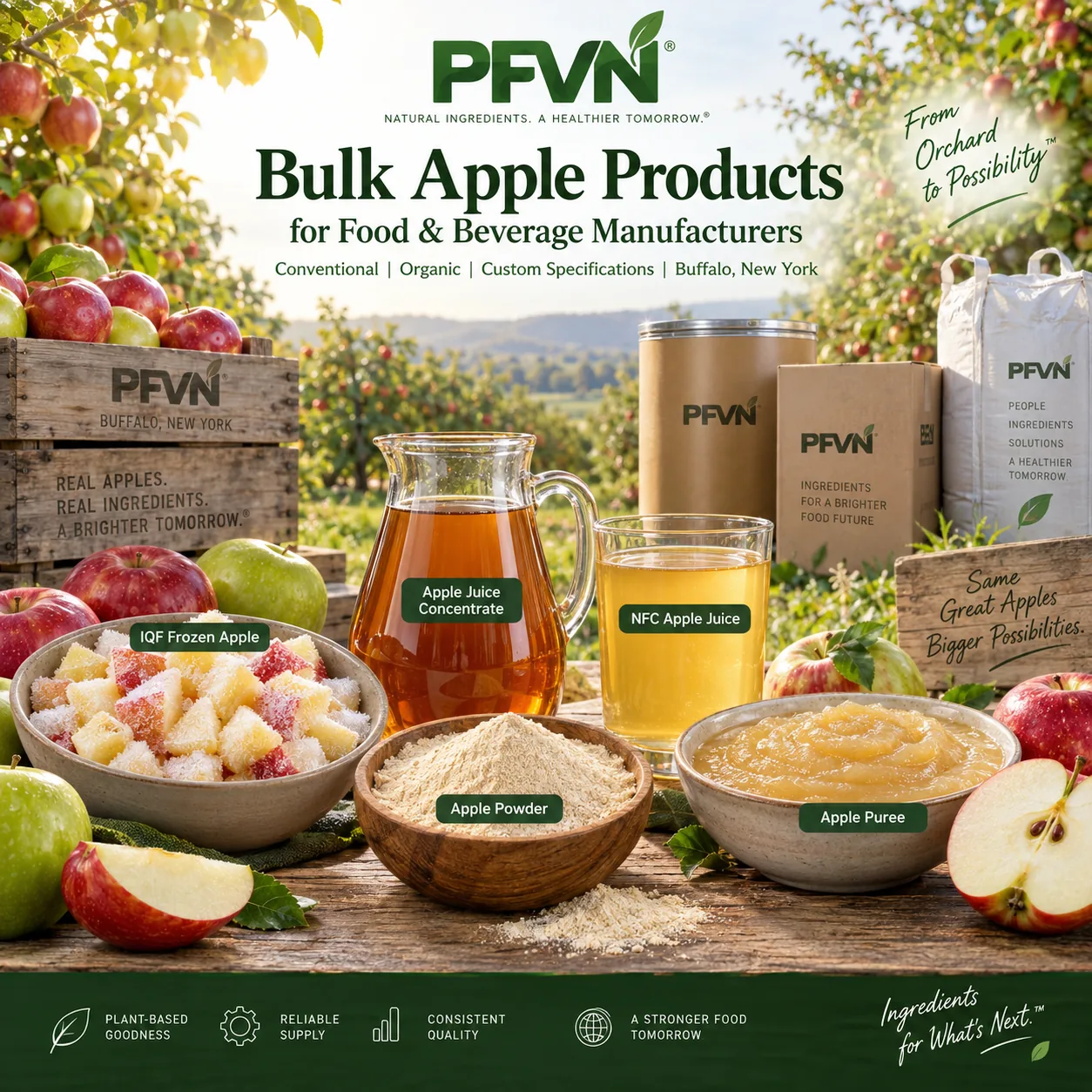
Juice Concentrates
View product →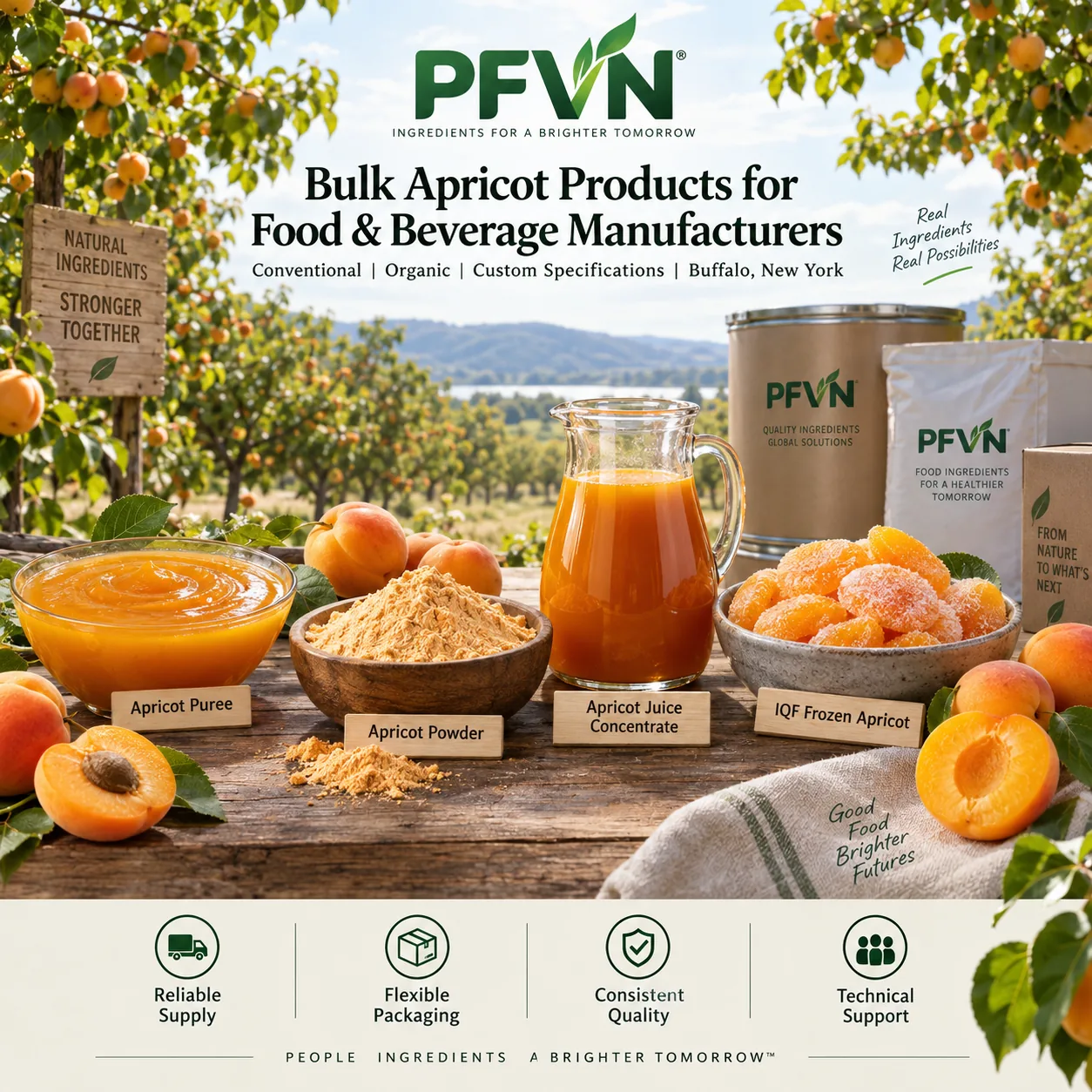
Juice Concentrates
View product →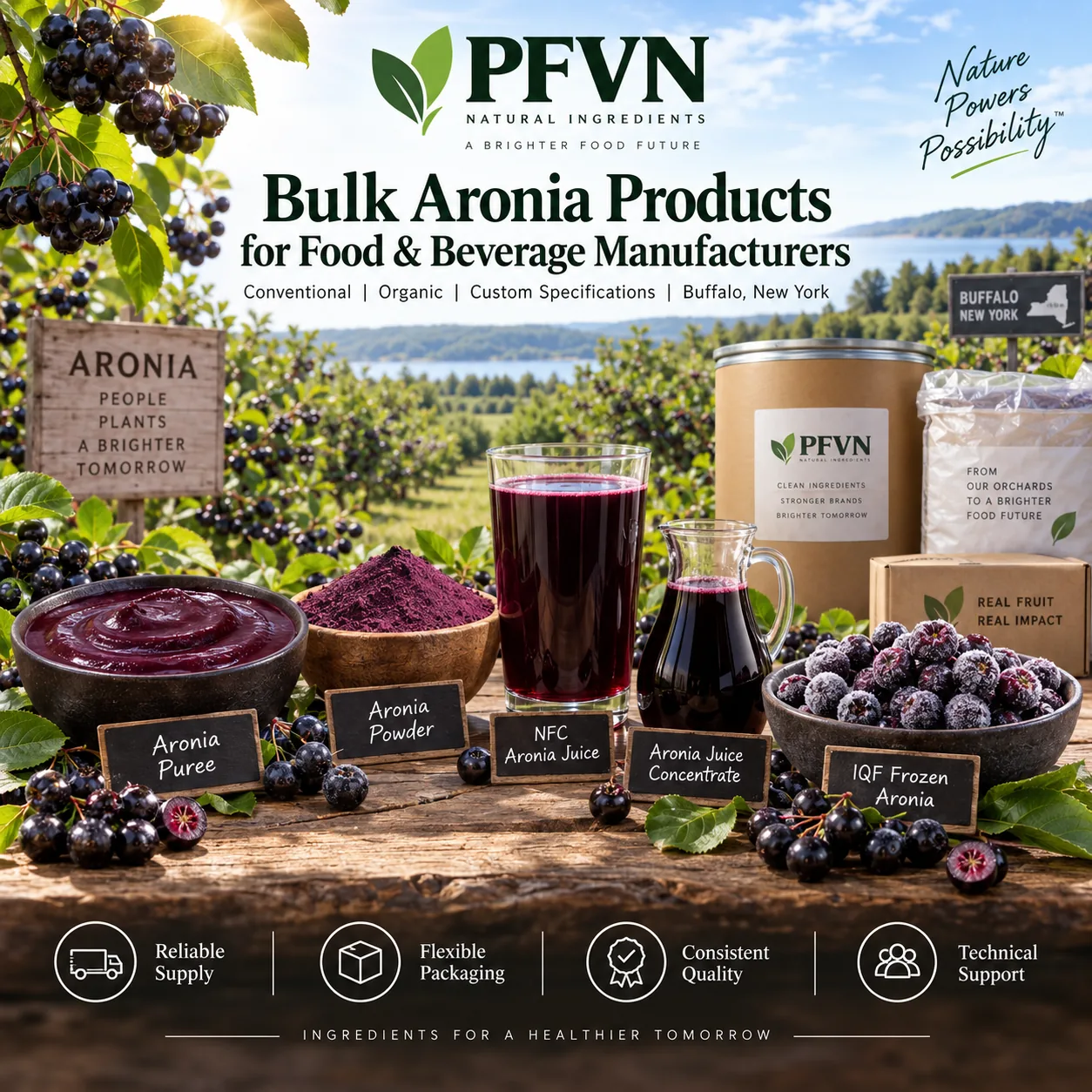
Juice Concentrates
View product →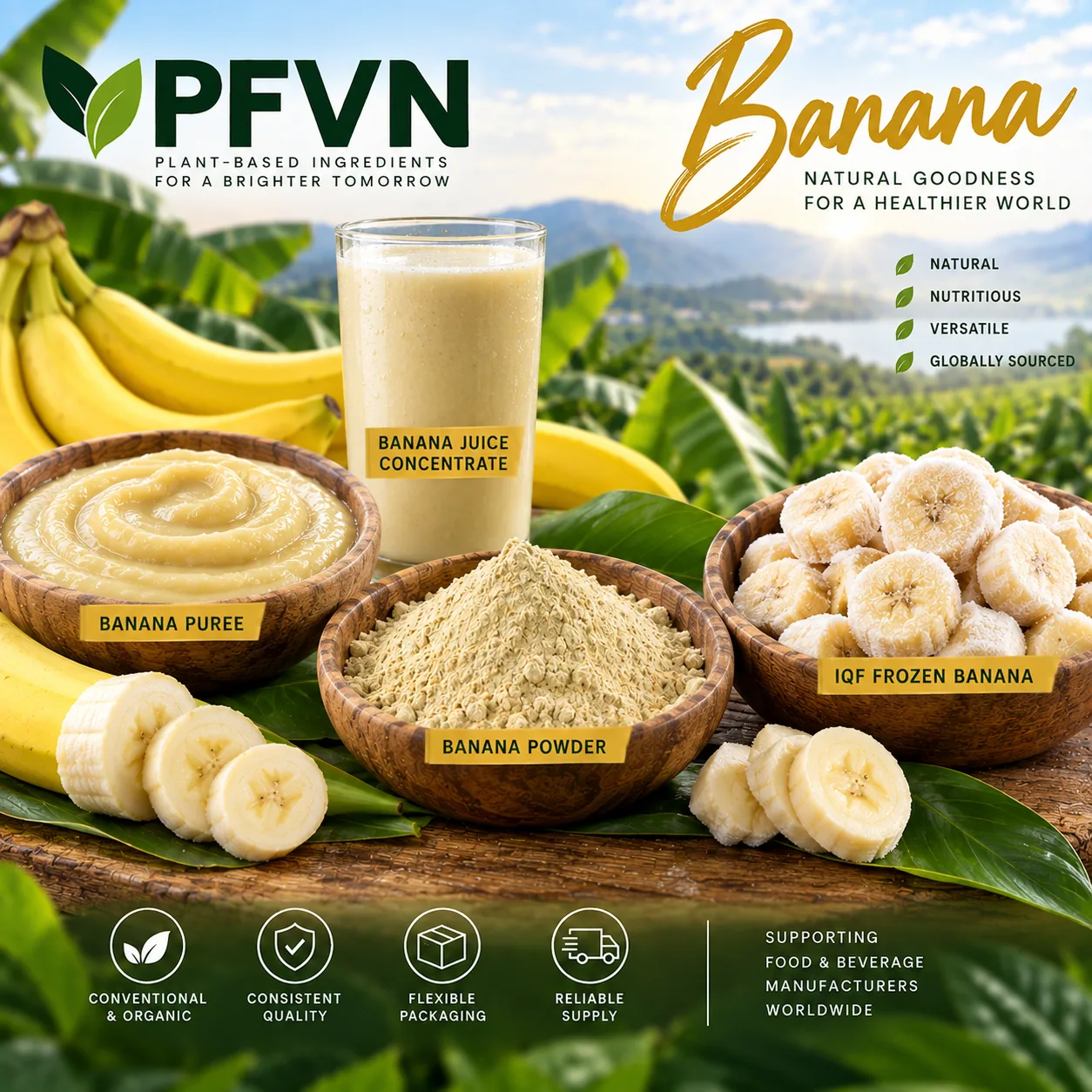
Juice Concentrates
View product →
Juice Concentrates
View product →
Juice Concentrates
View product →
Juice Concentrates
View product →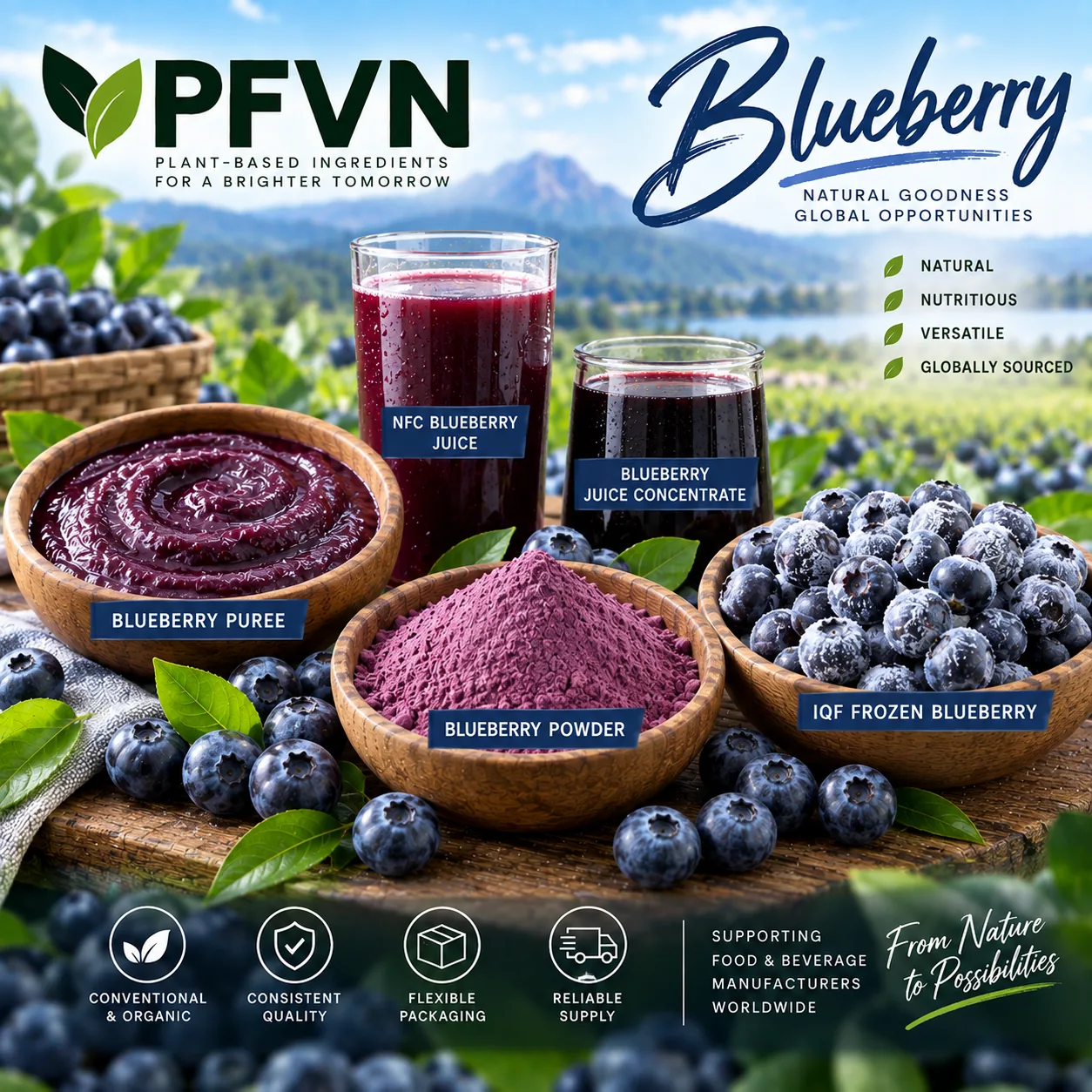
Juice Concentrates
View product →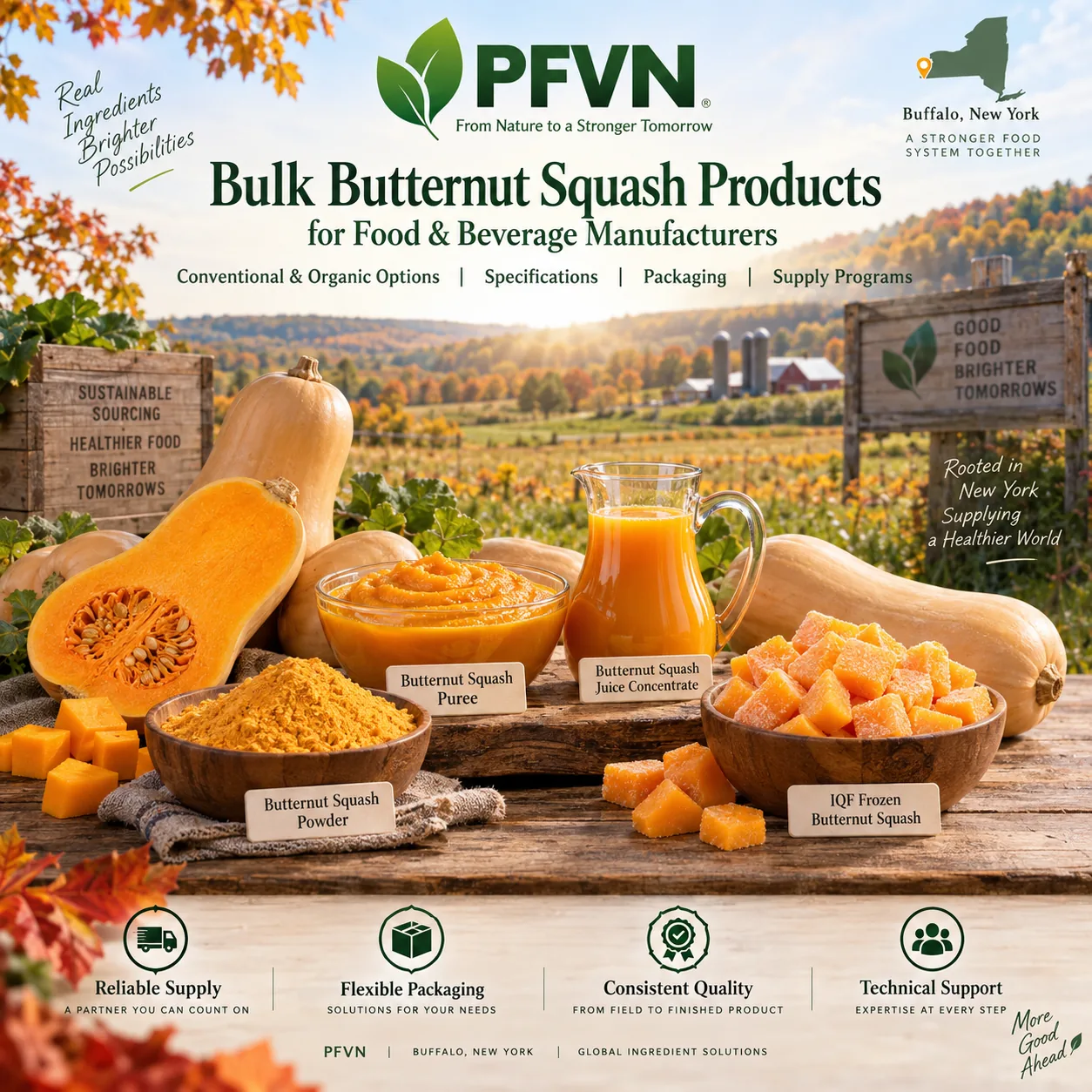
Juice Concentrates
View product →
Juice Concentrates
View product →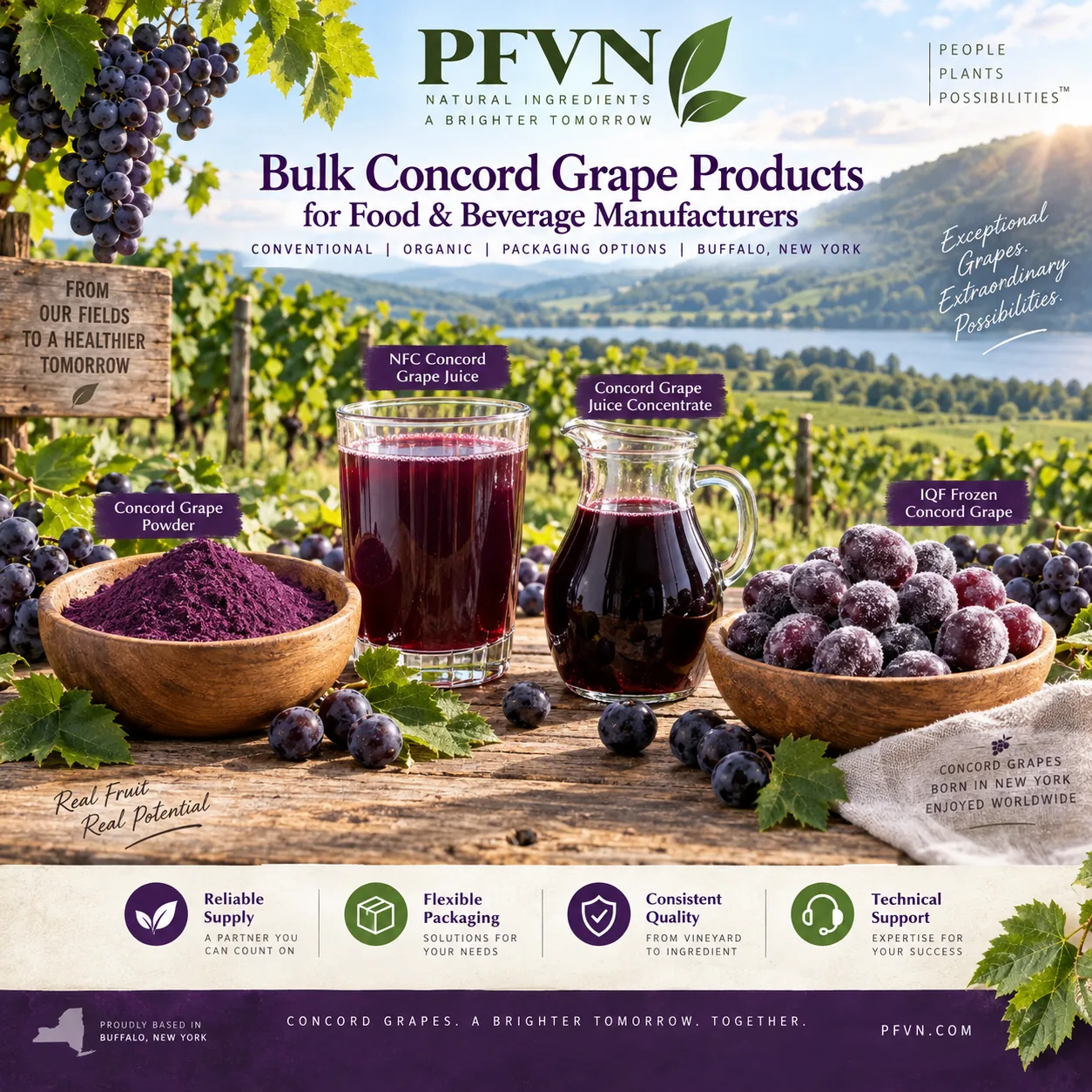
Juice Concentrates
View product →
Juice Concentrates
View product →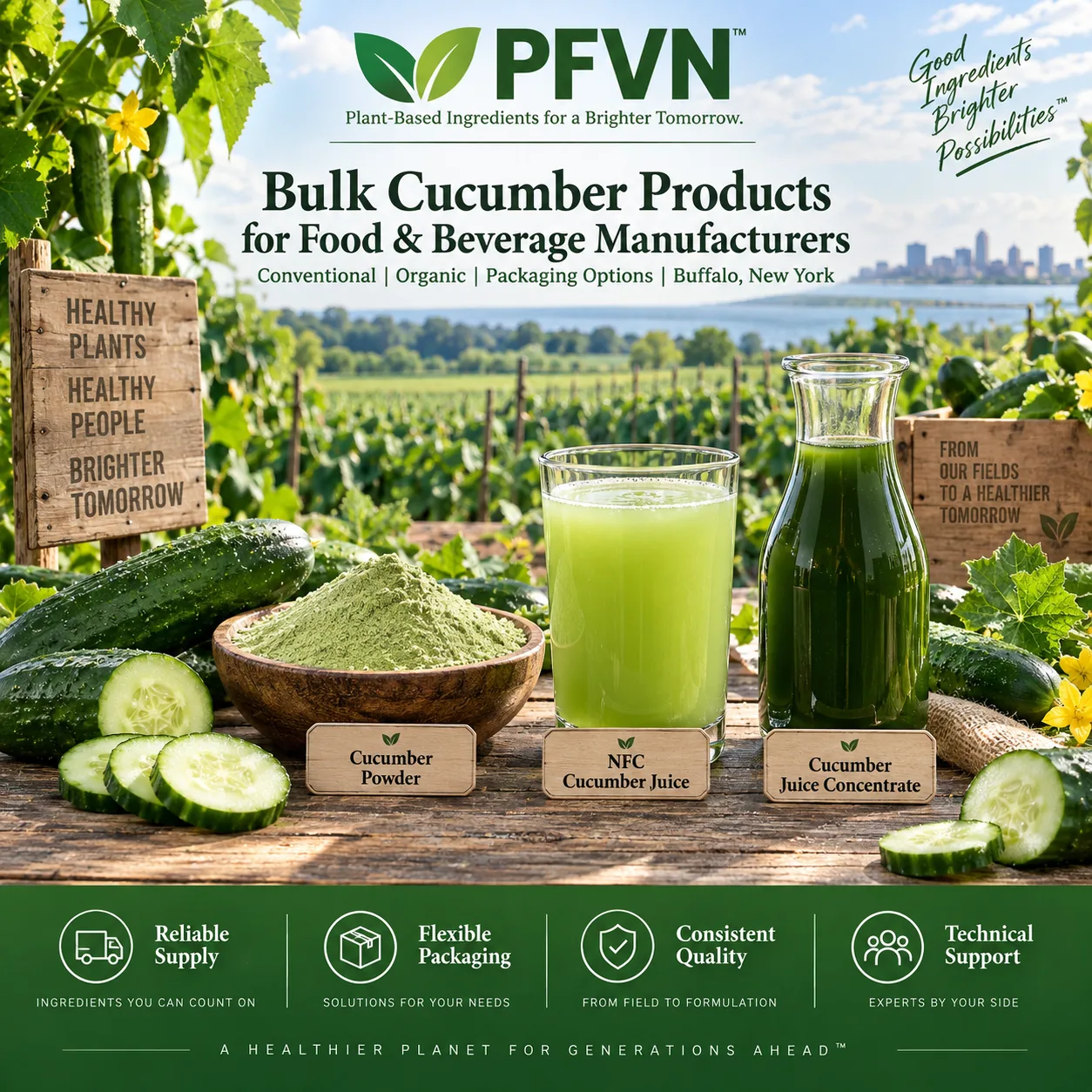
Juice Concentrates
View product →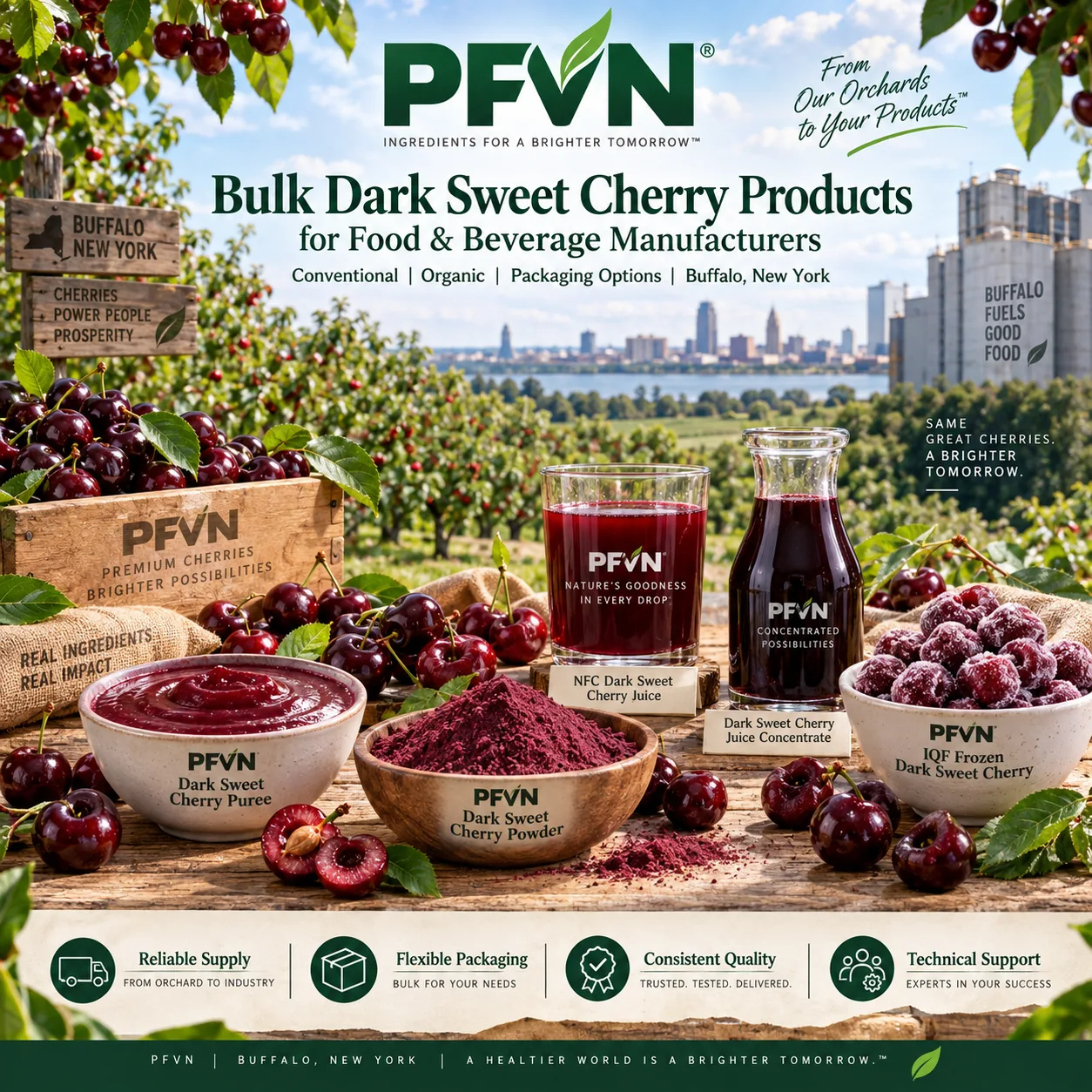
Juice Concentrates
View product →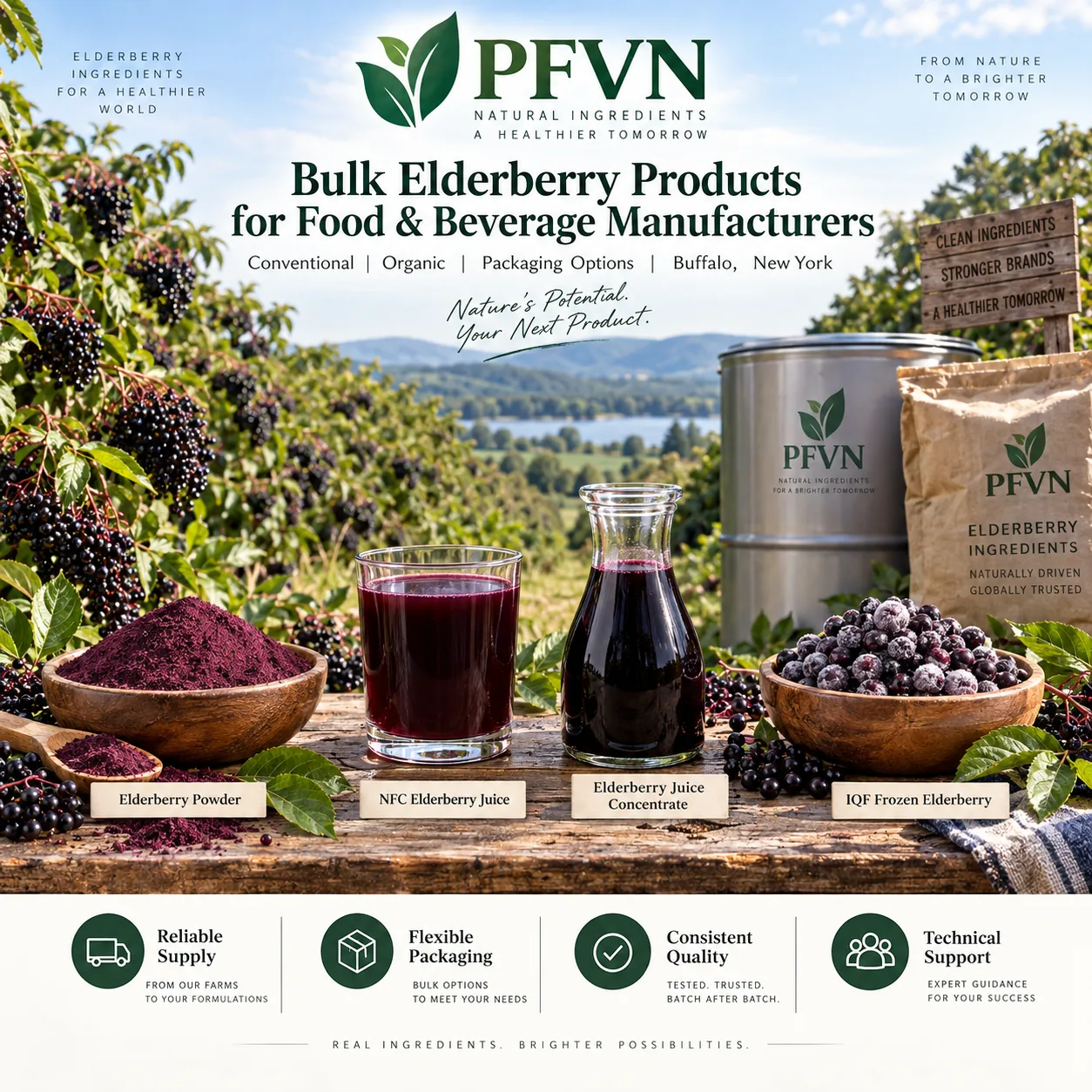
Juice Concentrates
View product →
Juice Concentrates
View product →
Juice Concentrates
View product →
Juice Concentrates
View product →
Juice Concentrates
View product →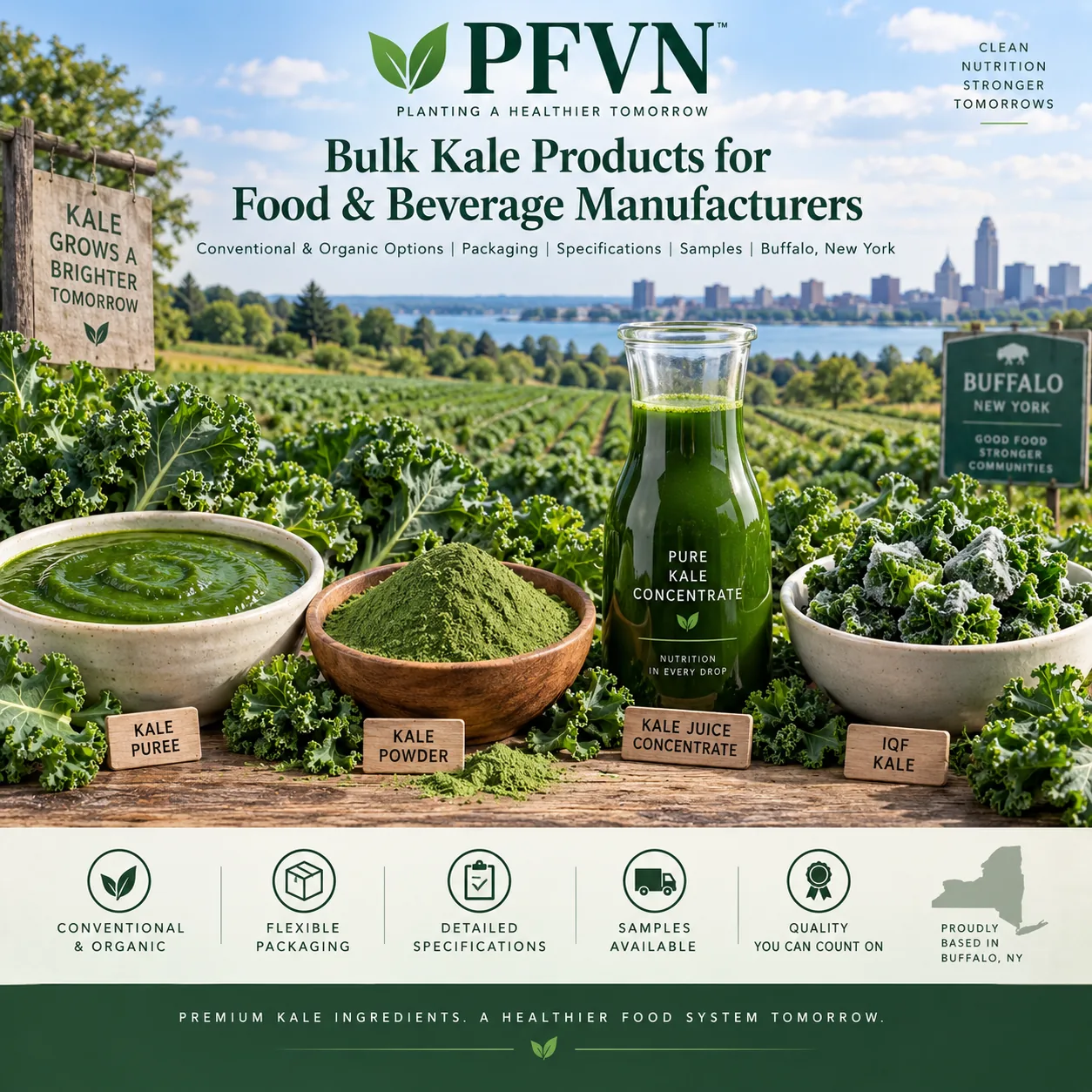
Juice Concentrates
View product →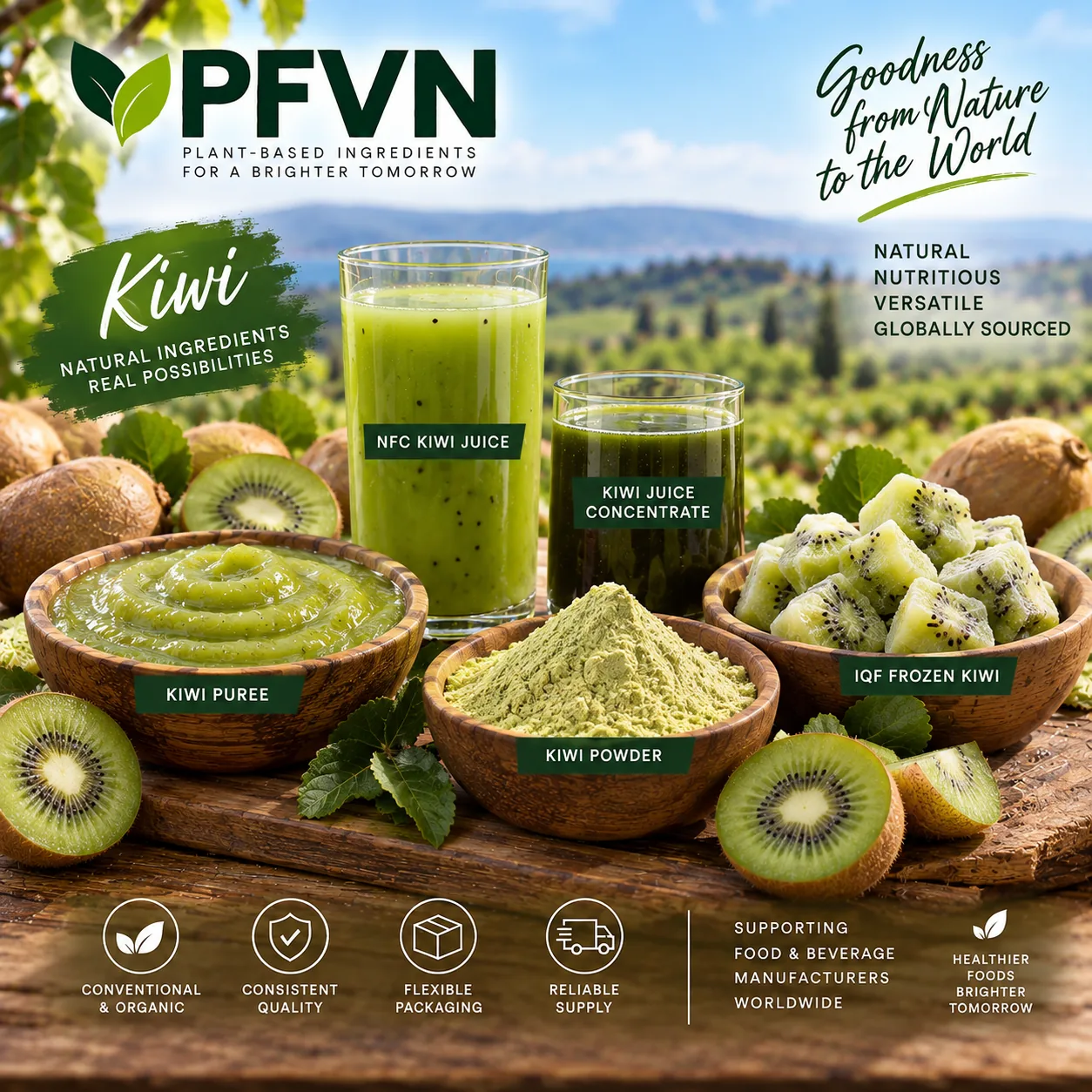
Juice Concentrates
View product →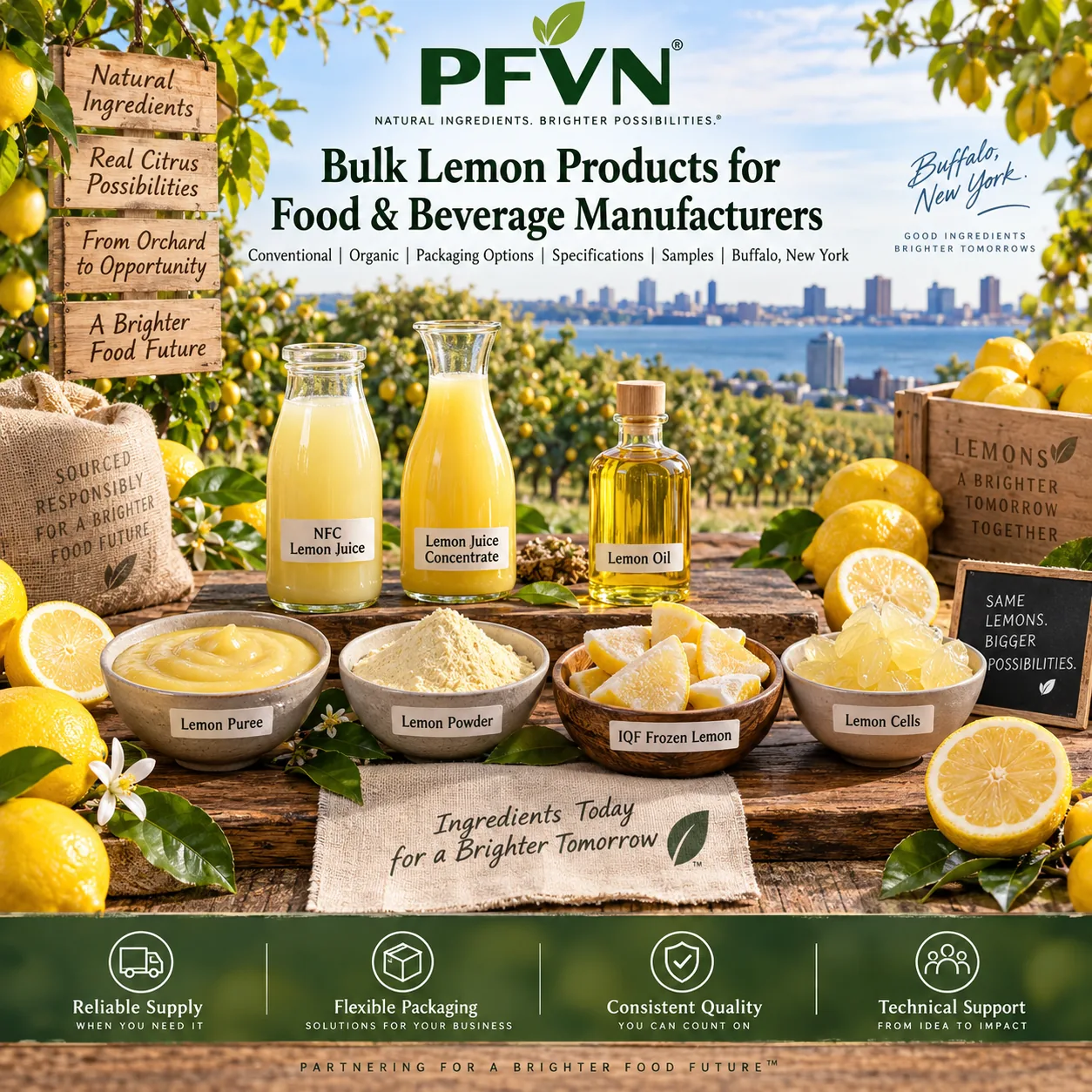
Juice Concentrates
View product →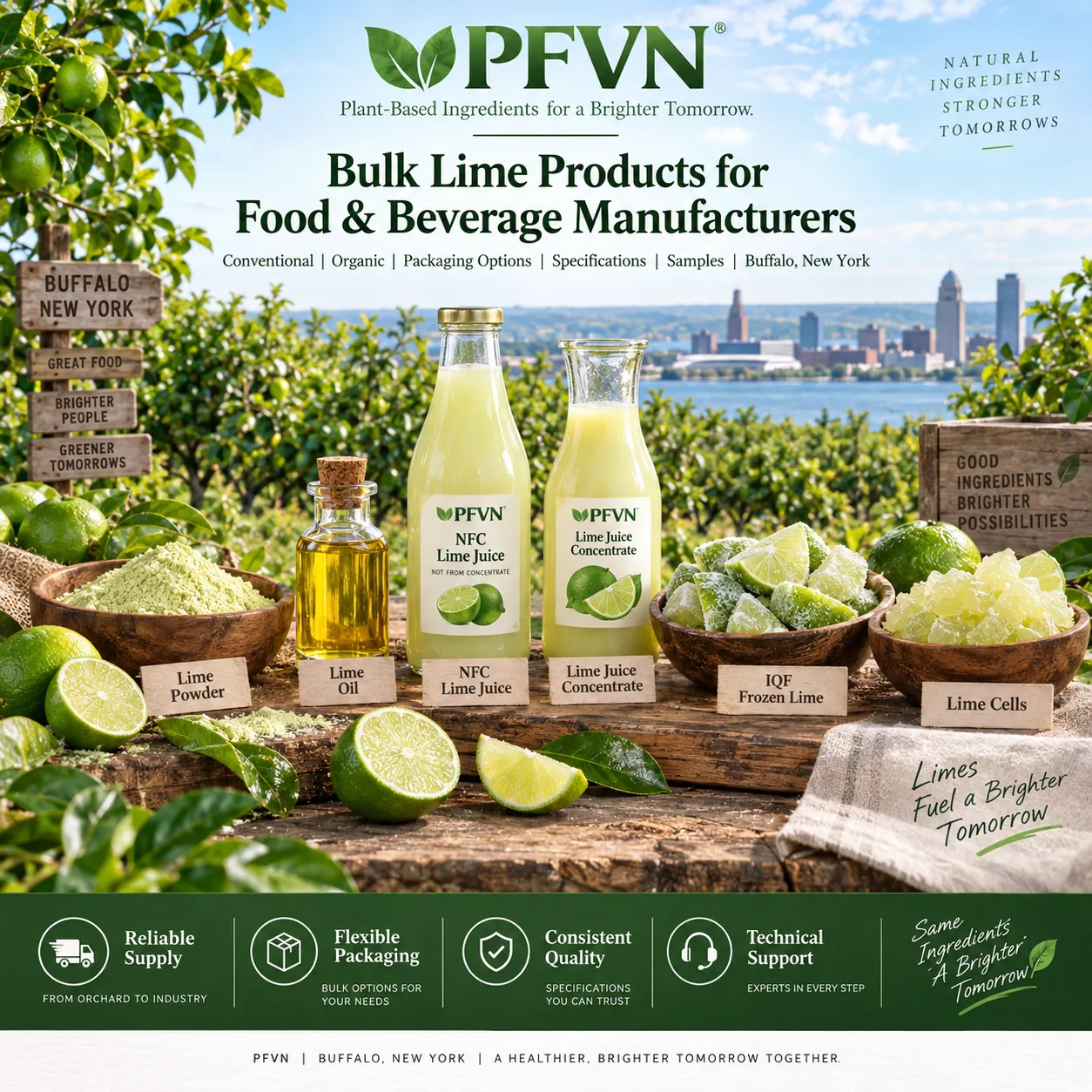
Juice Concentrates
View product →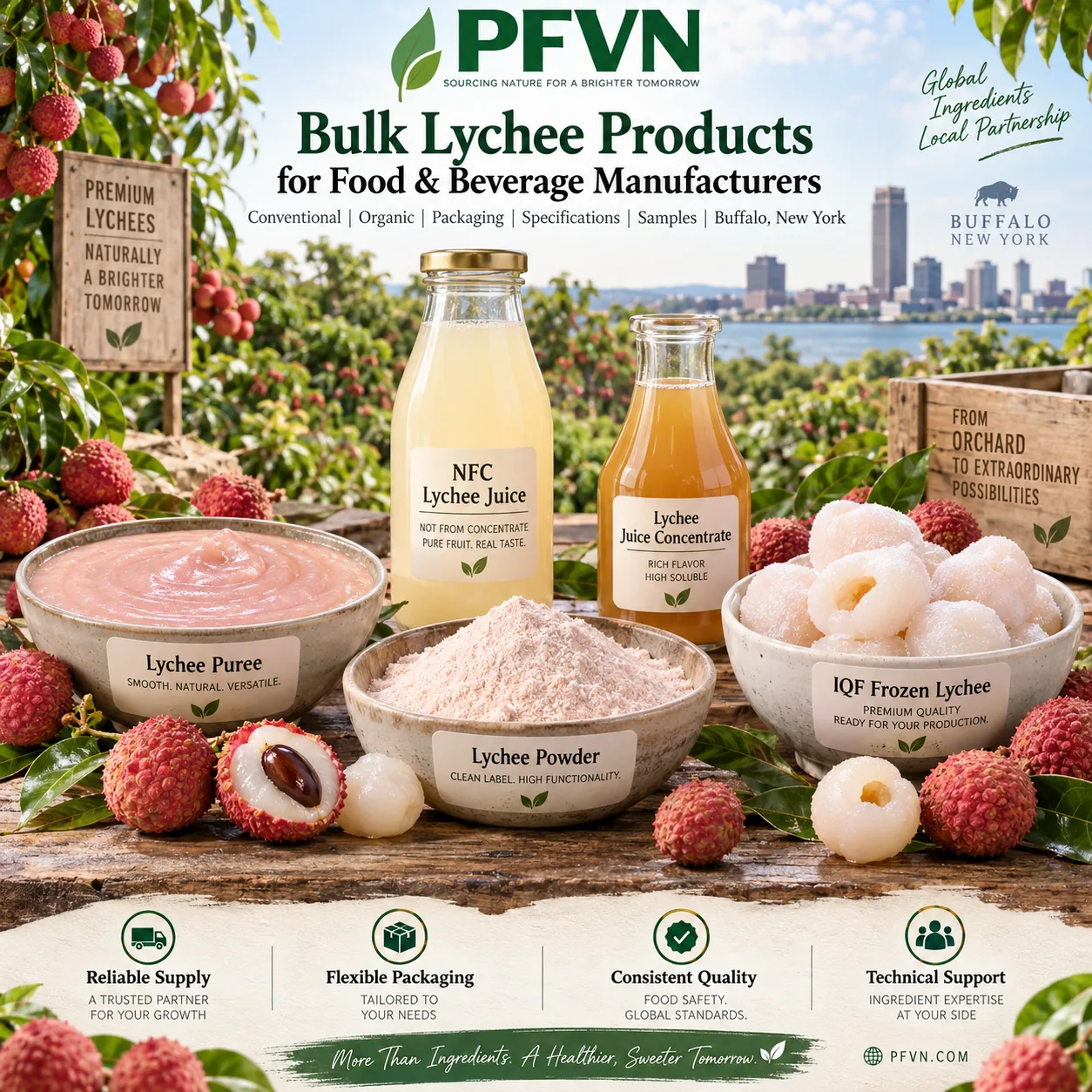
Juice Concentrates
View product →
Juice Concentrates
View product →
Juice Concentrates
View product →
Juice Concentrates
View product →
Juice Concentrates
View product →
Juice Concentrates
View product →
Juice Concentrates
View product →
Juice Concentrates
View product →
Juice Concentrates
View product →
Juice Concentrates
View product →
Juice Concentrates
View product →
Juice Concentrates
View product →
Juice Concentrates
View product →
Juice Concentrates
View product →
Juice Concentrates
View product →
Juice Concentrates
View product →
Juice Concentrates
View product →
Juice Concentrates
View product →
Juice Concentrates
View product →
Juice Concentrates
View product →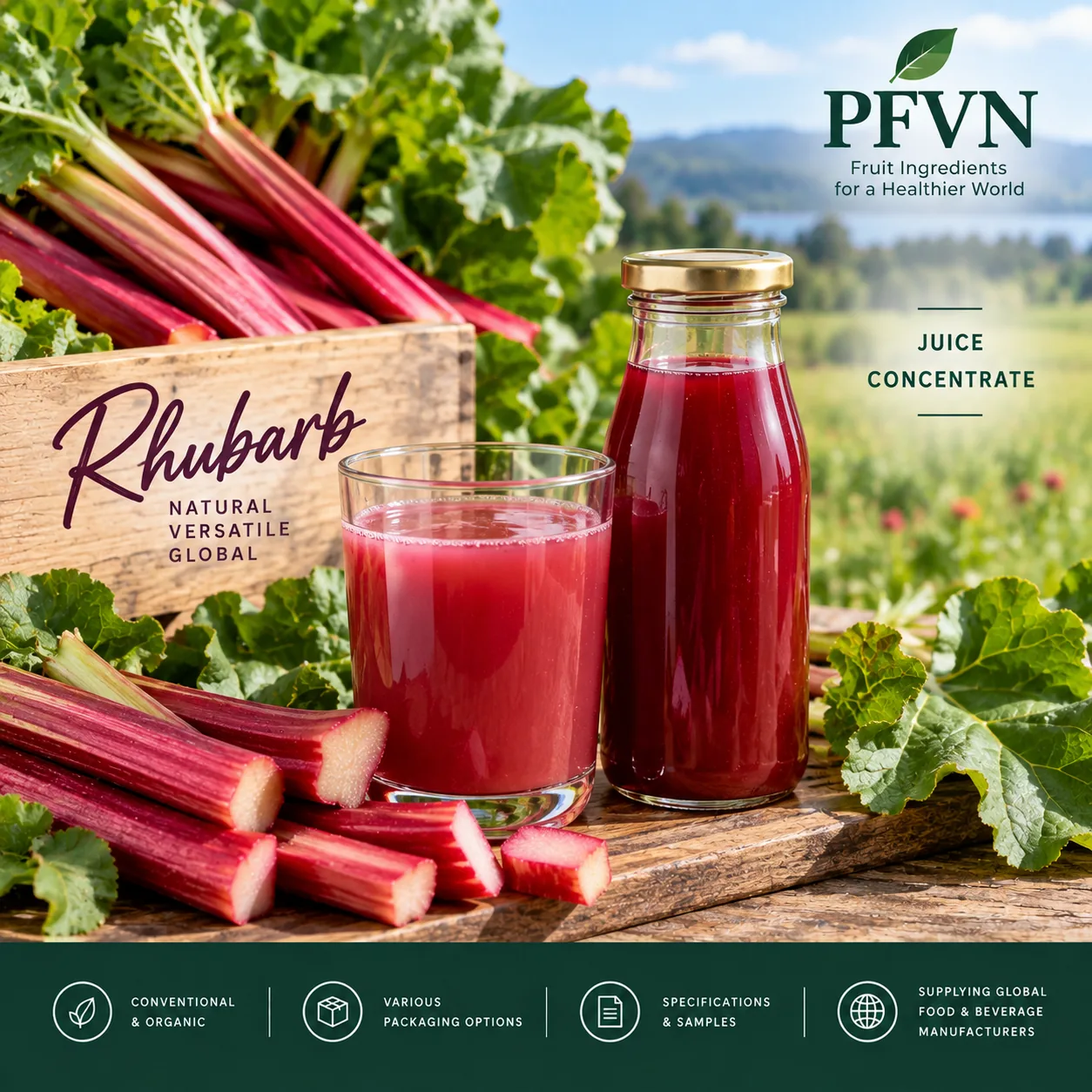
Juice Concentrates
View product →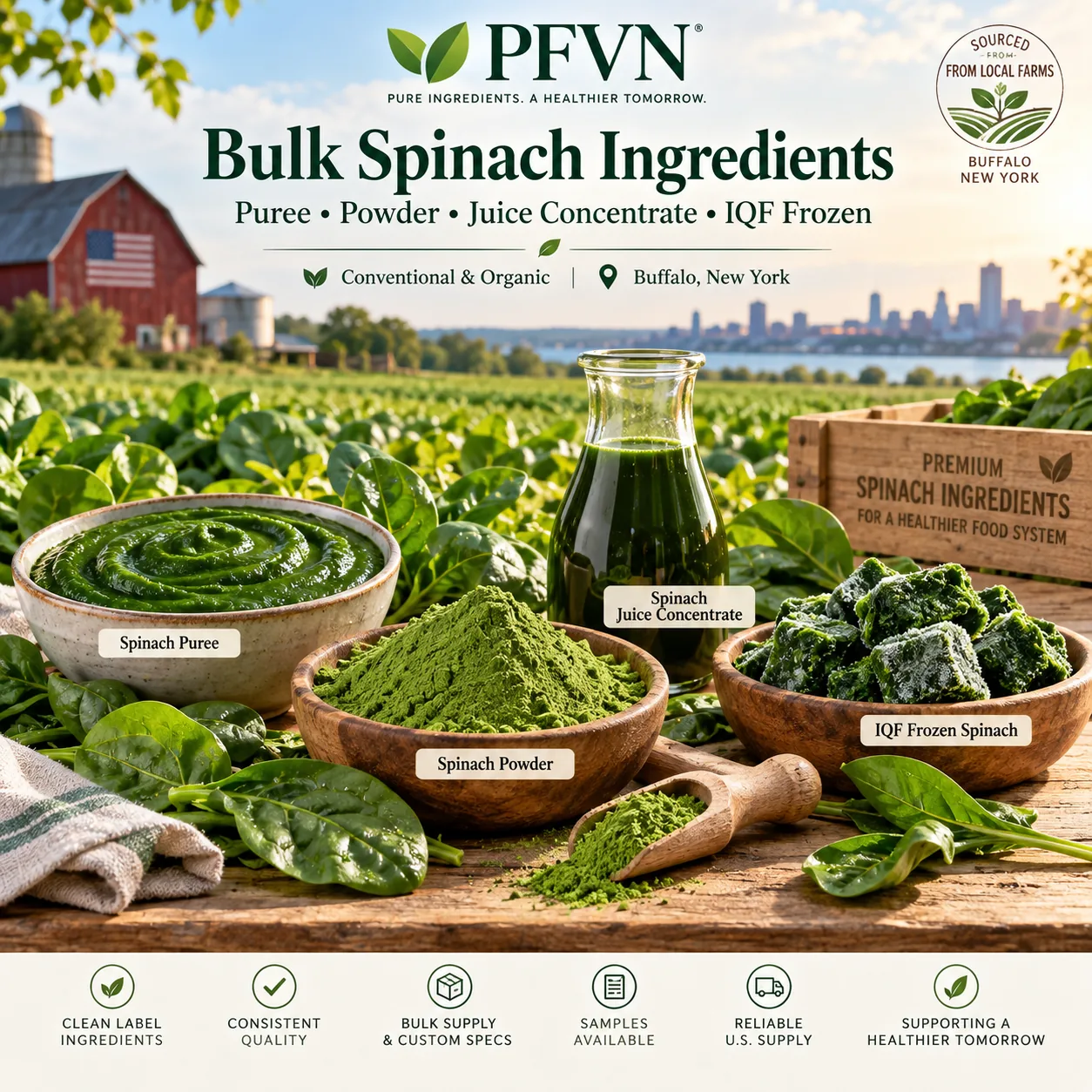
Juice Concentrates
View product →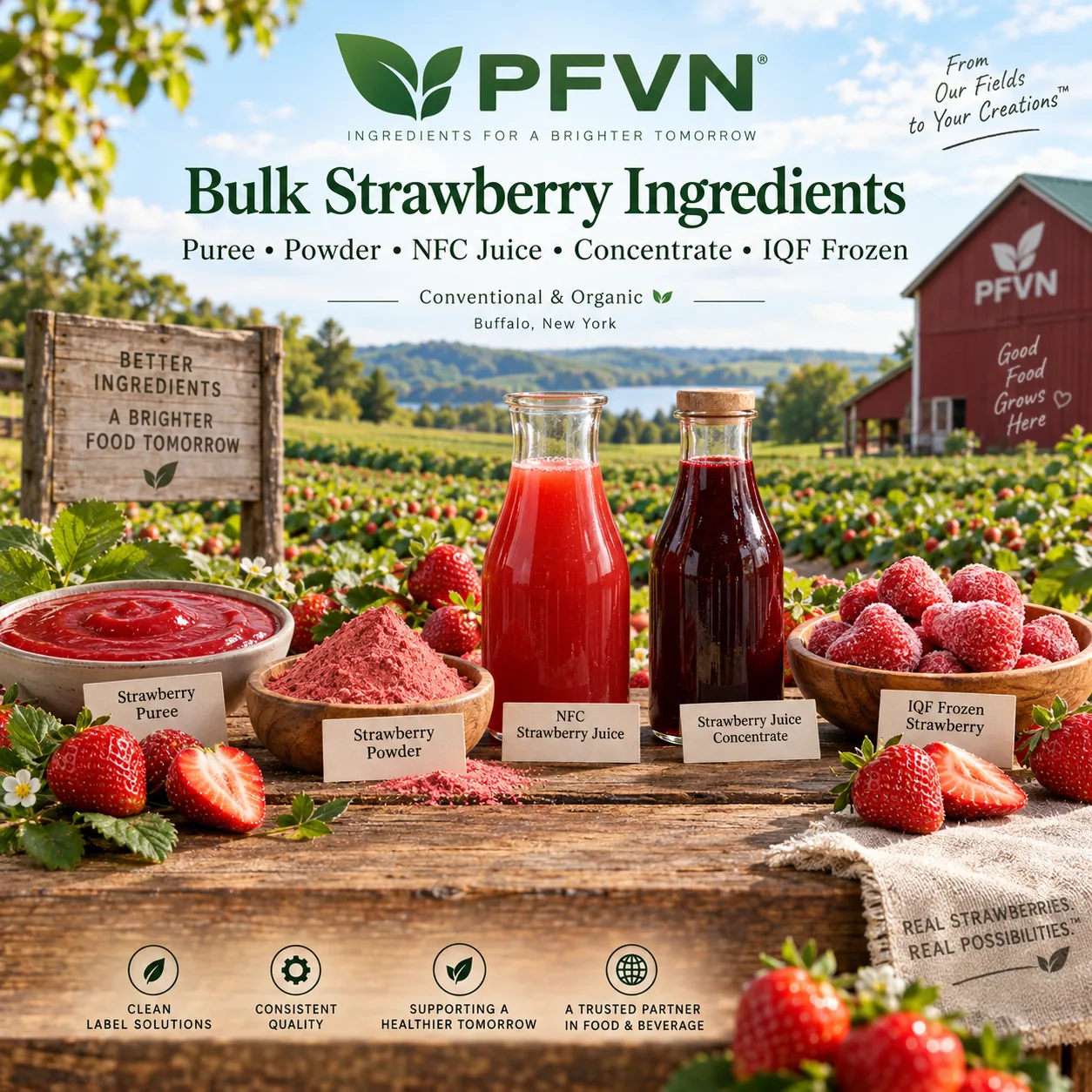
Juice Concentrates
View product →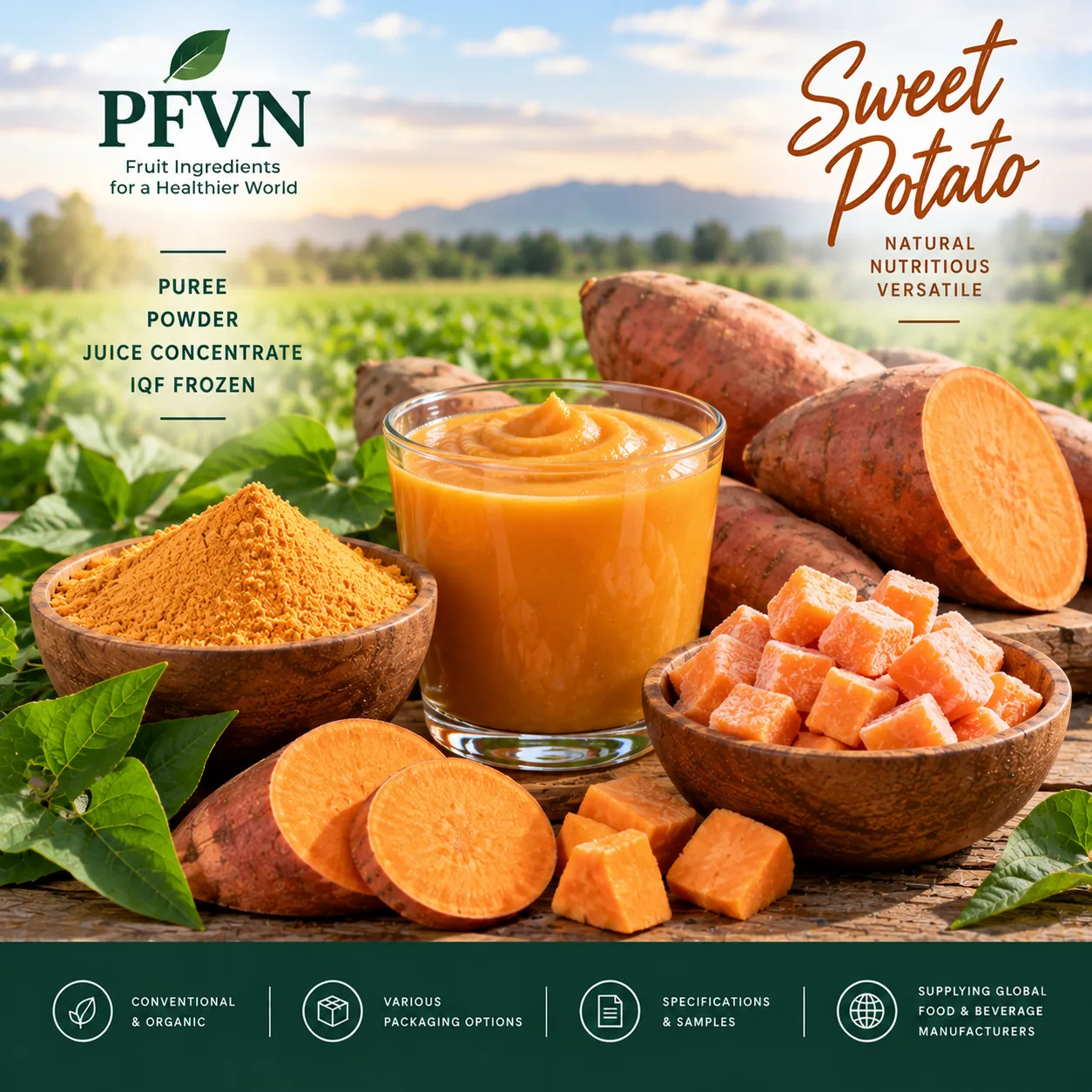
Juice Concentrates
View product →
Juice Concentrates
View product →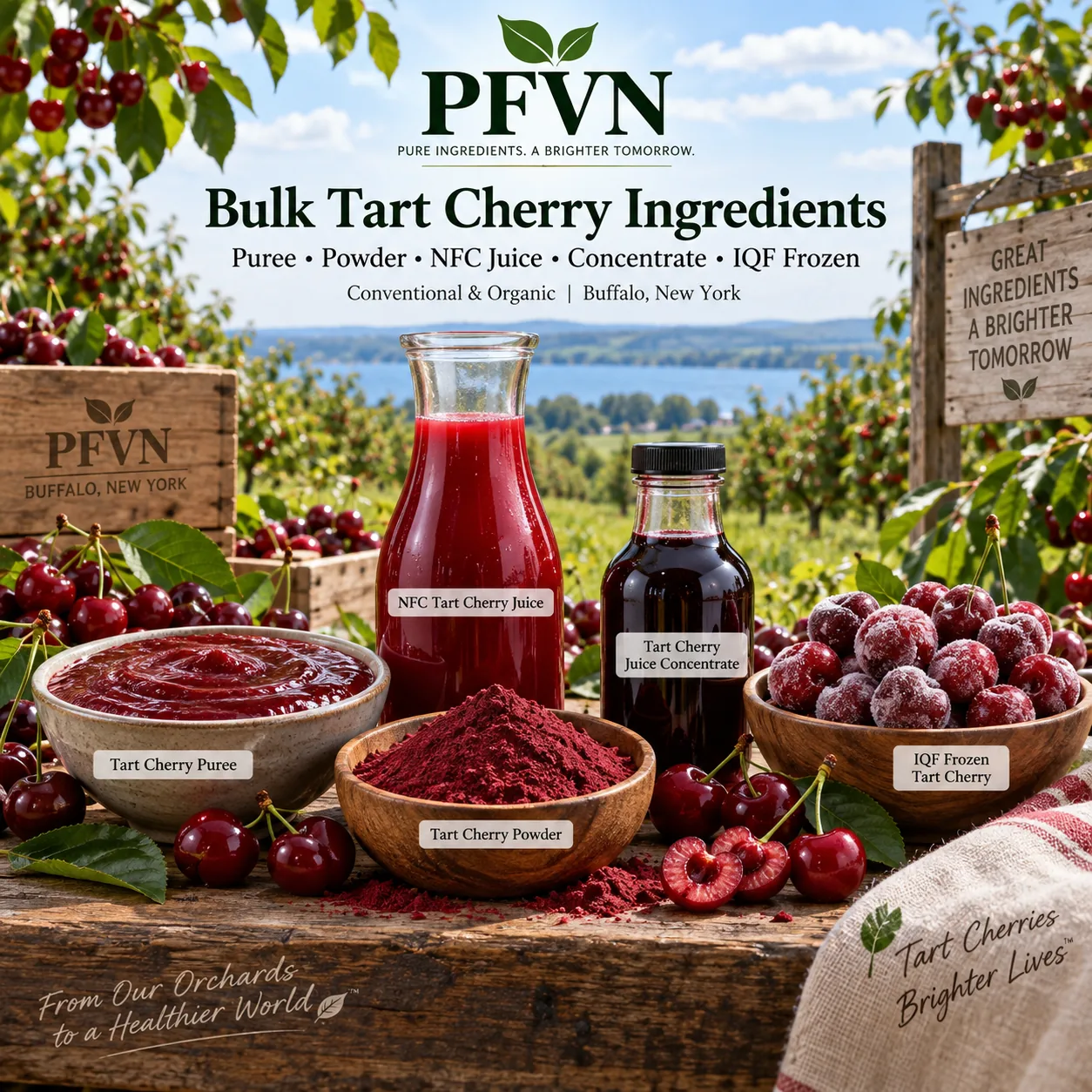
Juice Concentrates
View product →
Juice Concentrates
View product →
Juice Concentrates
View product →Formulators should evaluate concentrate as both a flavor ingredient and a source of soluble solids, sugars, acids, pigments and suspended material. The same inclusion rate can produce different results when Brix, acidity or processing style changes.
Water addition should be calculated from the actual concentrate °Brix and the target single-strength or finished-product solids level. This provides a more reliable yield estimate than using a generic dilution factor.
Apple, pear, grape, fig and other high-solids concentrates can materially contribute natural sugars and total solids. Their contribution should be included when balancing added sweeteners, texture and final °Brix.
Citrus, cranberry, passion fruit and many berries can contribute substantial acidity, while melon, cucumber and some vegetable juices are naturally milder. Finished pH and sensory balance should be evaluated after all ingredients are combined.
Delicate volatile notes can be lost during concentration or later heat treatment. For citrus, melon, peach and other aroma-sensitive products, buyers may need to qualify essence recovery, aroma addition or the sensory impact after pasteurization.
Juice concentrates can supply fermentable sugars and fruit character to beer, cider, wine-style beverages, kombucha and other fermentation systems. Review sugar profile, acidity, preservatives and nutrient contribution before scale-up.
Pasteurization, hot filling and storage can change pigment, flavor and cloud. Pilot testing is especially useful for anthocyanin-rich berries, leafy-green concentrates, carotenoid-rich vegetables and naturally cloudy juice systems.
Juice concentrates may be supplied frozen, refrigerated or aseptically packed. Package format and storage condition depend on concentration, microbiological stability, processing method and supplier capability.
Selected products are thermally processed and filled into sterile liners or other aseptic packaging. Depending on the specification, unopened product may support ambient or controlled-temperature storage before use.
Aroma-sensitive, cloudy and certain specialty concentrates are commonly supplied frozen. Production planning should account for frozen storage capacity, thawing time, mixing and temperature-controlled handling.
Lined steel drums and bag-in-drum formats are widely used for industrial concentrates. Confirm net weight, liner construction, pallet pattern and whether the material is frozen, aseptic or otherwise temperature controlled.
Smaller packs can support trials and specialty production, while totes or IBCs may suit high-throughput plants. Availability depends on product stability, concentration and supplier filling capability.
Shelf life varies materially by product and packaging system. Follow the current technical data sheet for unopened storage, thawing, refrigerated hold time after opening and any agitation requirements.
Commercial qualification may require specification, Certificate of Analysis, ingredient statement, allergen and GMO statements, microbiological criteria, origin, traceability and organic, kosher, halal or food-safety certification.
A strong RFQ should identify the analytical, sensory, packaging and supply-chain parameters that determine whether a concentrate will work in the finished product.
Concentrate has part of the juice water removed, increasing soluble-solids density and reducing shipped volume per unit of juice solids. It is useful when the plant needs formulation flexibility, efficient storage or controlled reconstitution.
NFC juice remains at or near natural single strength and may be preferred where fresh sensory character, single-strength identity or minimal reconstitution is important. The better choice depends on the product claim, processing system, freight economics and desired flavor profile.
Juice concentrates are used far beyond conventional juice production. Depending on fruit or vegetable, they can provide flavor, sweetness, acidity, color, fermentable sugars or vegetable character in beverage, dairy, bakery, confectionery, savory, fermentation, baby-food and snack applications.
Apple concentrate may differ by Brix and clarity; berry concentrates by color and acidity; citrus by pulp, oil and aroma profile; leafy vegetables by suspended solids and acidification; and savory concentrates by flavor intensity and thermal history.
For commercial qualification, request the current technical specification and, where applicable, a lot-specific Certificate of Analysis for the exact material being offered rather than relying on a generic category value.
Identify the fruit or vegetable, target °Brix, acidity or pH, desired clarity or pulp level, application, packaging, quantity and destination. Request the current product specification before purchase.
No. Concentration ranges and other measurable properties depend on the ingredient, processing method and commercial program. The exact value should be confirmed against a current specification.
Use the PFVN inquiry form with the ingredient, intended use, target parameters, approximate volume and delivery location. Availability and documentation are evaluated for the specific request.
State your preferred pack and unloading system. Aseptic or frozen drums, pails, bag-in-box and compatible totes or IBCs depend on the grade. Confirm net fill and storage in the quotation.
MOQ varies by ingredient, pack, production run and delivery route. Include trial quantity and annual forecast in your inquiry; the quotation establishes the minimum.
It is a preliminary comparison reference, not a contractual tolerance or PFVN lot result. Use the current approved specification and lot-specific COA.
Specify USDA Organic, SQF, BRCGS, FSSC 22000, Non-GMO Project verification, kosher or halal requirements as applicable. Evidence must cover the exact product and relevant operation; no blanket certification is implied.
Ask for growing and processing countries, crop year, traceability and current documents for the offered source. Regional crop reports do not establish inventory.
Compare concentrate, NFC juice, puree, frozen and powder formats using solids, texture, processing, storage and cost in use. Qualify the exact grade in the intended application.
The Technical Downloads page provides an FDA single-strength reference chart and a concentrate specification and dilution guide. They support development and do not replace supplier or regulatory approval.
Include any required pH, acidity, clarity, pulp, color, certification, storage, packaging, microbiological or preservative requirements so the inquiry can be matched to the appropriate supply program.
Share the ingredient, target °Brix or solids, application, certification, packaging, annual volume and delivery destination.