Winemaking
Application overviewRaw-material strategy for Winemaking
Winemaking should be approached as a finished-product system rather than a simple ingredient substitution. The ingredient format, analytical specification, processing history, package and storage conditions all influence manufacturing performance.
This page focuses on fermentable solids, acidity, fruit aroma, color, yeast compatibility and use in must adjustment, blending or specialty wine styles. The objective is to give R&D, purchasing, quality and operations teams a common set of questions to use when screening samples and defining a commercial specification.
Decide when the ingredient enters the fermentation process
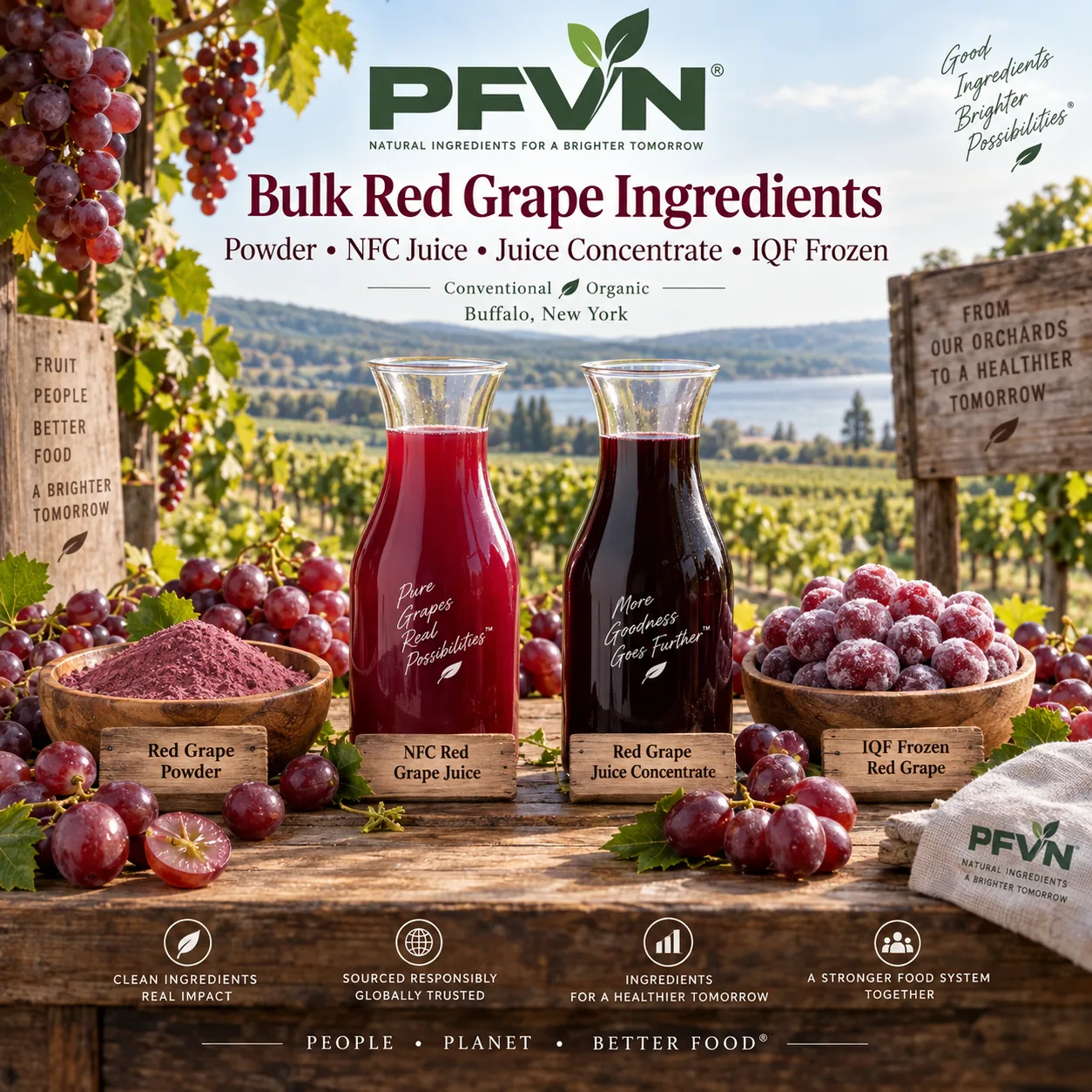
In winemaking, juice concentrates can contribute combinations of flavor, color, solids, water, texture or physical identity. Decide which functions are essential to this specific product, then set measurable acceptance criteria only around the attributes that materially affect manufacturing or finished quality.
Write the ingredient specification around the fermentation plan
For winemaking, tell the supplier how the ingredient will be received, stored, staged and processed. The same raw material can perform differently under the pumping, heating, blending, fermentation, freezing, drying or holding steps used by that specific program, so commercial approval should connect the incoming specification to a finished-product trial.