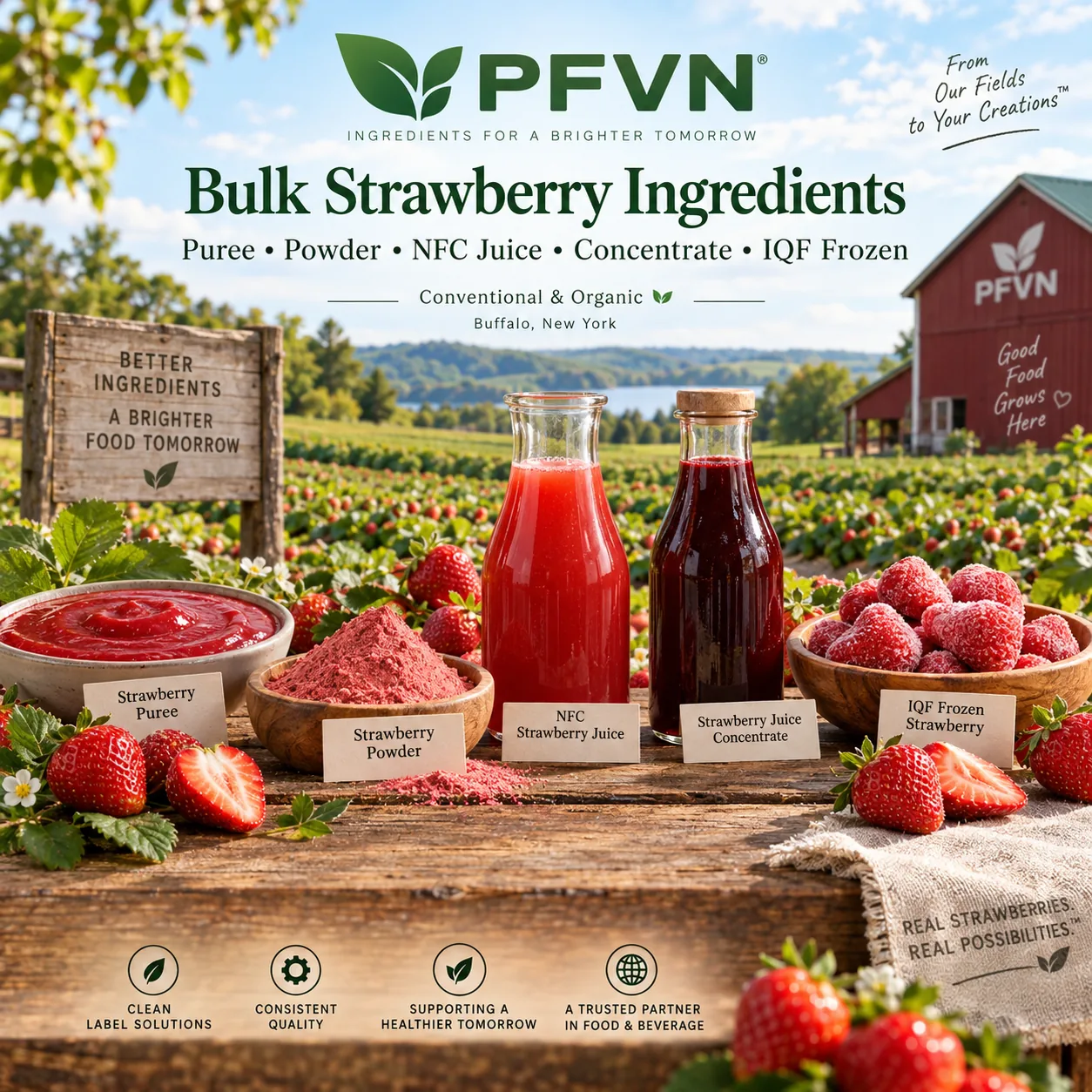
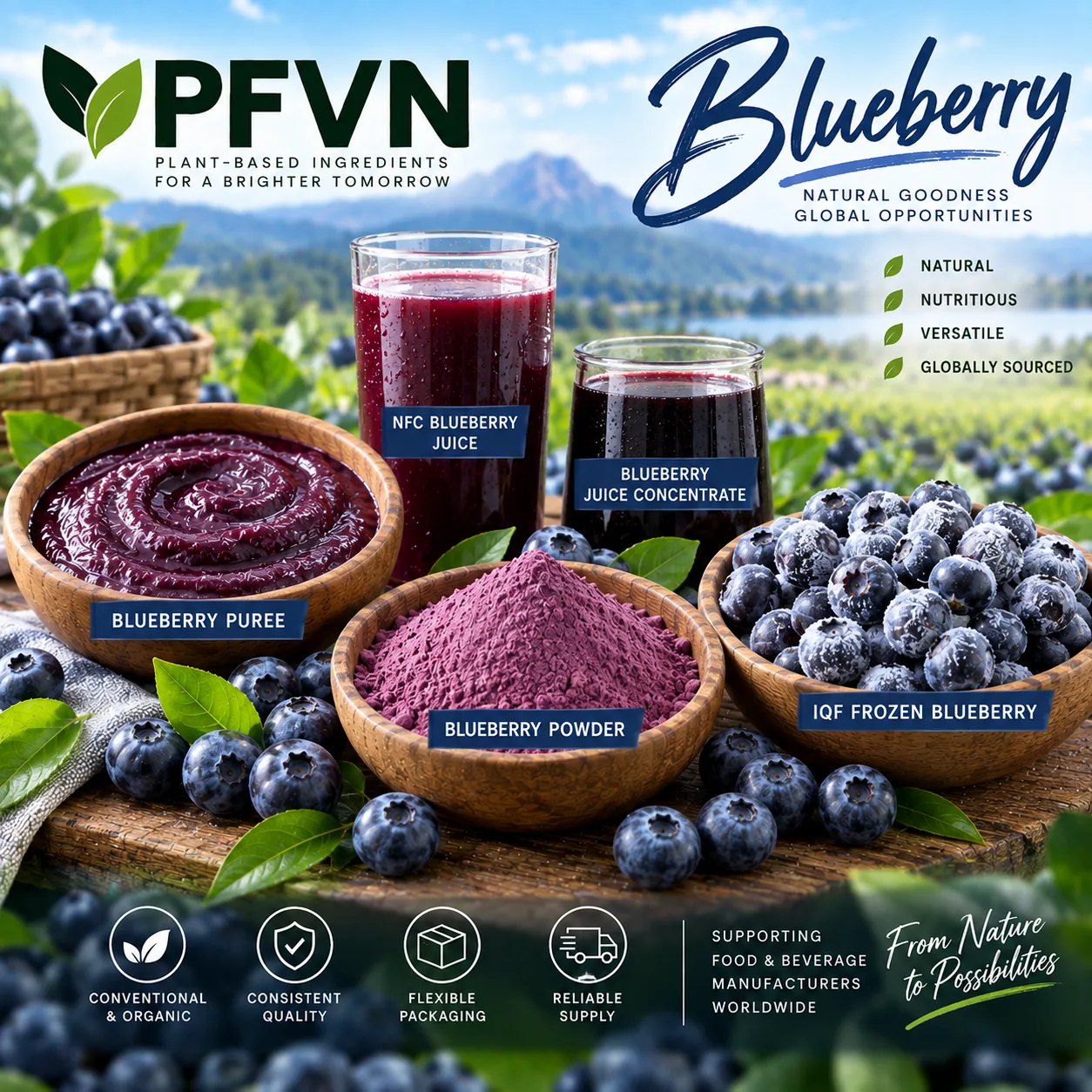
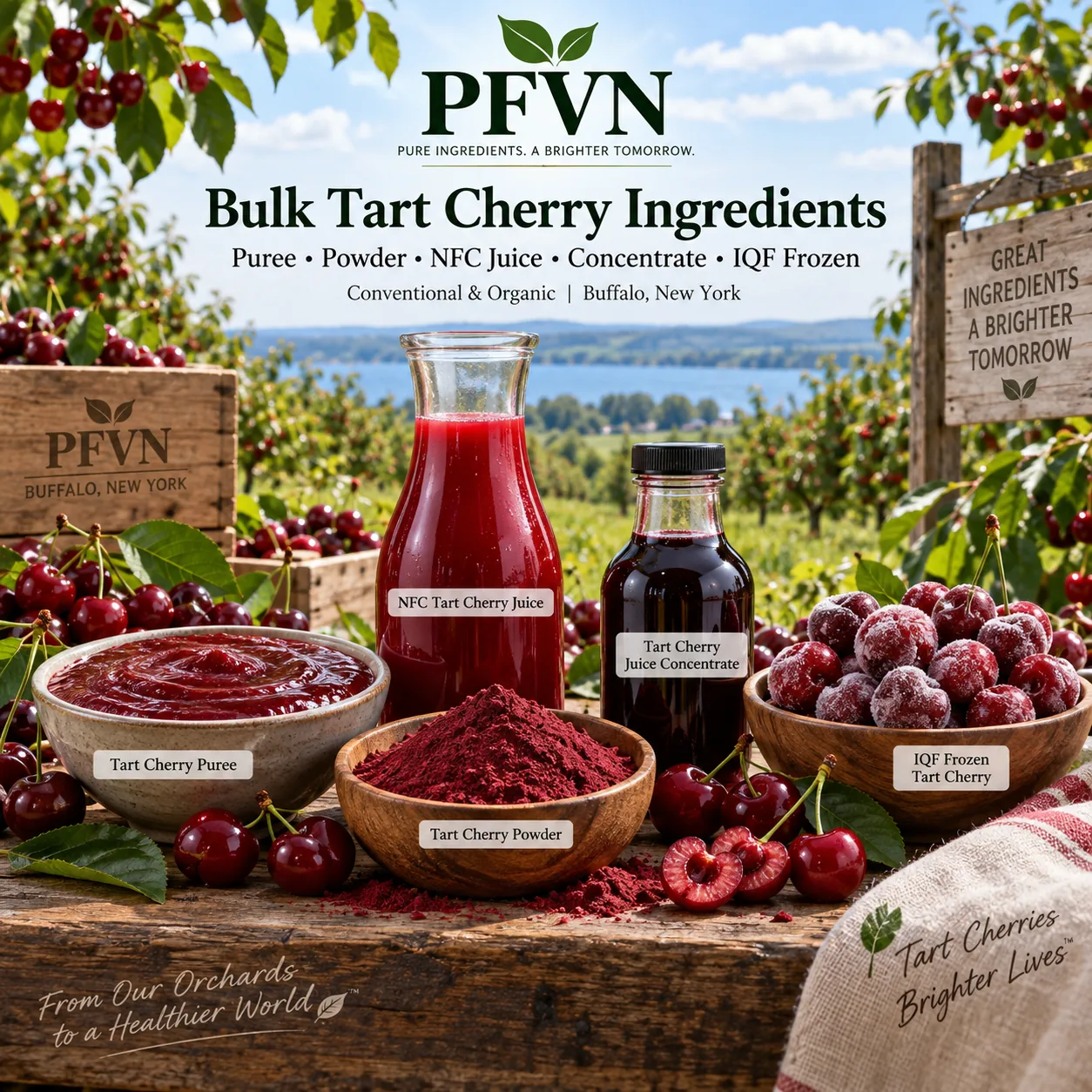
Smoothie Base Manufacturing

Application overview

Blend design priorities for Smoothie Base Manufacturing

Smoothie Base Manufacturing should be approached as a finished-product system rather than a simple ingredient substitution. The ingredient format, analytical specification, processing history, package and storage conditions all influence manufacturing performance.

This page focuses on concentrate flavor strength, Brix, acid balance, dilution, frozen blending and consistency across fruit combinations. The objective is to give R&D, purchasing, quality and operations teams a common set of questions to use when screening samples and defining a commercial specification.

Define serving texture and frozen loading before finalizing the fruit system

In smoothie base manufacturing, juice concentrates can contribute combinations of flavor, color, solids, water, texture or physical identity. Decide which functions are essential to this specific product, then set measurable acceptance criteria only around the attributes that materially affect manufacturing or finished quality.

Write the fruit specification around blend and serving conditions

For smoothie base manufacturing, tell the supplier how the ingredient will be received, stored, staged and processed. The same raw material can perform differently under the pumping, heating, blending, fermentation, freezing, drying or holding steps used by that specific program, so commercial approval should connect the incoming specification to a finished-product trial.

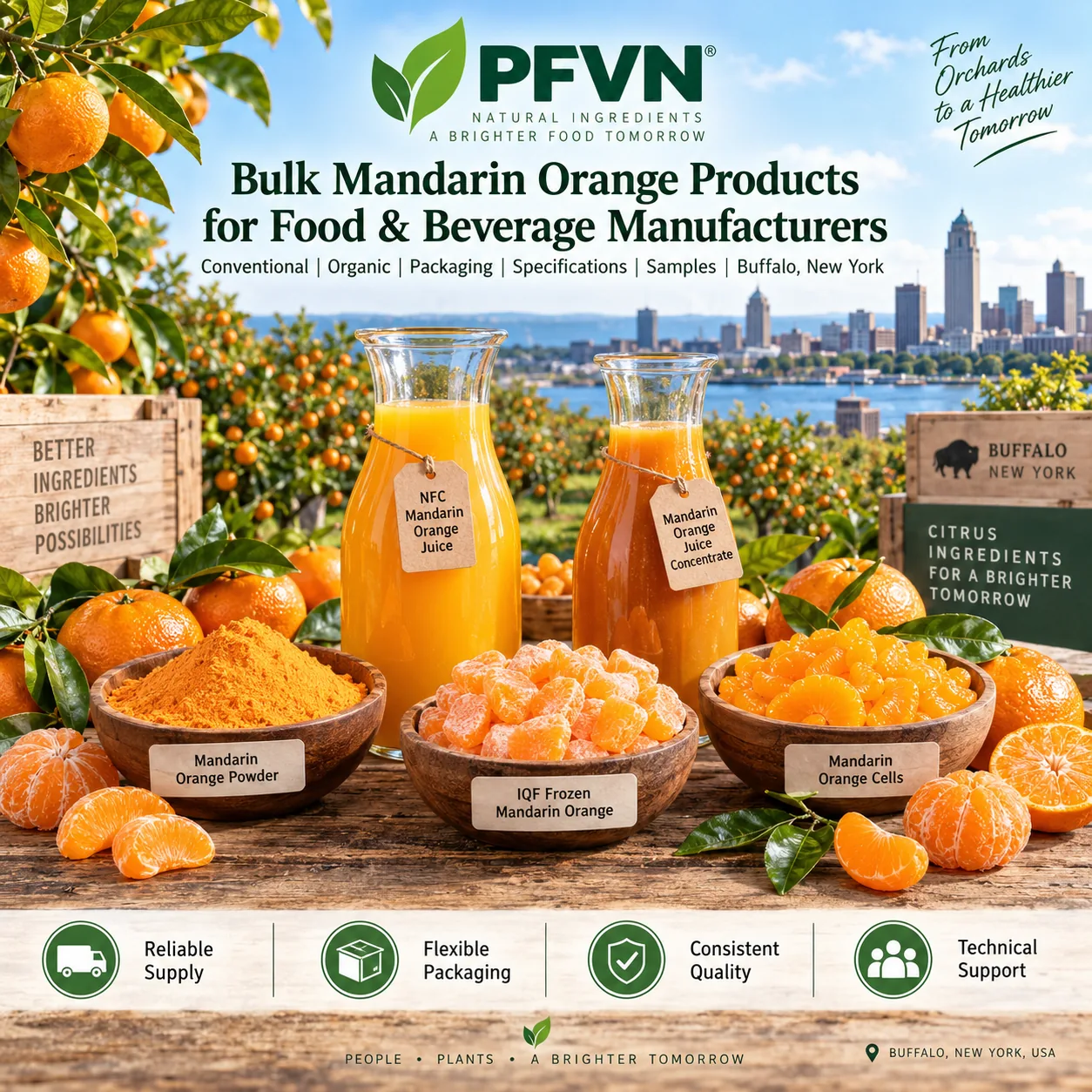
Qualification reminder: Product characteristics and available commercial programs vary by ingredient, origin, process and supplier. Confirm current specifications, packaging, certifications, storage, shelf life and microbiological criteria before commercial approval.
Application-specific focus

Blending variables in Smoothie Base Manufacturing

For this application, the sourcing discussion should center on concentrate flavor strength, Brix, acid balance, dilution, frozen blending and consistency across fruit combinations. These priorities should be defined before commercial sampling so the ingredient is evaluated against the actual manufacturing process rather than a generic catalog description.

Soluble solidsSoluble solids

Confirm °Brix or soluble-solids range and the analytical method used.

Acid profileAcid profile

Review pH and titratable acidity where they affect flavor, processing or stability.

SensorySensory

Evaluate characteristic flavor, aroma, bitterness, astringency and heat-related notes.

ColorColor

Define visual expectations and evaluate color after the actual process.

Processing formProcessing form

Confirm clarified, cloudy or other product-specific attributes where relevant.

HandlingHandling

Review viscosity, storage state, packaging and transfer requirements.

Texture architecture

Decide whether the finished product should pour, sip or spoon

Smoothie and bowl systems can span a wide viscosity range. Fruit format, thaw state, puree solids, juice contribution and frozen loading all influence blender demand and finished texture.

Build the formula around a defined serving temperature and dilution condition. A base that is ideal immediately after blending can thin or separate as temperature rises.

  • Frozen fruit loading
  • Puree or juice ratio
  • Finished Brix
  • Viscosity at serving temperature
  • Separation over hold time
  • Color and flavor balance
Qualification pathway

From benchtop blender to production system

A representative sample is useful for screening, but commercial approval should connect the sample to measurable incoming criteria and to the finished smoothie base manufacturing process. Use the production blender or an equivalent load test and evaluate the product immediately and after the realistic serving hold time.

After a successful smoothie base manufacturing pilot, record the ingredient lot, analytical values, use level, process settings, finished-product results and any deviations. That trial record should determine which incoming attributes become purchase-specification limits and which are simply informational.

Recommended approval stages

  1. Review current technical data and ingredient declaration.
  2. Screen representative samples against analytical and sensory expectations.
  3. Run a bench formula at the intended inclusion level.
  4. Run a pilot with production-representative equipment and process conditions.
  5. Complete shelf-life or distribution testing relevant to the product.
  6. Lock the commercial specification, documentation and packaging requirements.
Packaging & plant handling

Fruit ingredient handling for Smoothie Base Manufacturing

Commercial programs may use pails for trials or lower-volume use, bag-in-drum or drums for routine industrial production, and totes/IBCs for higher-volume liquid handling; some programs can also support bulk tanker supply. Exact sizes, aseptic or frozen status, liners and availability vary by ingredient and supplier.

Confirm whether the plant can thaw, stage, pump and empty the selected pack efficiently. Compare usable yield and residual product in the container, not only nominal net weight.

Usage rateSize the pack to the batch

For smoothie base manufacturing, an oversized package can create partial-container handling and hold-time problems, while an undersized package can add opening labor, staging time and packaging waste. Match commercial pack size to realistic batch consumption.

StorageConfirm the required condition

Plan ambient, chilled or frozen capacity before approving the commercial pack.

TransferMatch plant equipment

Map the smoothie base manufacturing ingredient path from warehouse to line: review pumps, drum handling, bag opening, frozen-case staging or powder charging only where those operations apply to the selected format.

LogisticsCheck pallet & freight efficiency

For the smoothie base manufacturing program, case count, drum footprint, tote dimensions and palletization can affect delivered cost, freezer or warehouse space and the number of material movements per production run.

Troubleshooting

When blend texture or color changes

When troubleshooting smoothie base manufacturing, compare raw-material data with process records and finished-product results from the approved benchmark. Change one variable at a time so ingredient, process and storage differences can be isolated rather than masked by simultaneous adjustments.

Development check

Blend is too thin

Review thaw state, puree/frozen fruit ratio, added liquid and serving temperature.

Development check

Blend is too thick

Reduce frozen loading or adjust liquid/puree ratio while preserving flavor and solids targets.

Development check

Color dulls quickly

Review oxygen incorporation, fruit selection, pH and hold time after blending.

Development check

Blender load is excessive

Evaluate frozen piece size, batch size, liquid addition sequence and equipment capacity.

Quality & documentation

Smoothie program QA and documentation

The technical specification should identify the tests and tolerances that are meaningful for smoothie base manufacturing; the commercial file should also define the documents required at qualification and with each lot where applicable.

  • Current technical specification
  • Certificate of Analysis where applicable
  • Ingredient declaration
  • Allergen statement
  • Country-of-origin information
  • Microbiological specification
  • Organic or other certification documents where required
  • Storage, shelf-life and packaging specification