Baby Food Manufacturing
Fruit and vegetable ingredients for controlled infant-food production
Fruit and vegetable purees are widely used in commercial baby food because they provide natural flavor, color, moisture, soluble and insoluble solids, and a soft texture that can be adjusted for different product formats. Depending on the formulation, they may serve as the principal ingredient or as one component of fruit blends, vegetable meals, cereals, pouches, snacks and other prepared foods.
Commercial selection involves considerably more than choosing a fruit variety. Raw-material maturity, natural soluble solids, acidity, fiber content, seed or skin removal, particle-size reduction, thermal history and storage conditions can all influence how a puree behaves during blending, pumping, heating and filling.
For tightly controlled baby-food programs, manufacturers normally establish ingredient specifications around the attributes that materially affect safety, processability and finished-product consistency. These can include Brix, pH, titratable acidity, viscosity, sieve or particle-size profile, color, sensory characteristics, microbiological criteria, packaging format and shelf life.
Start with the fruit or vegetable itself
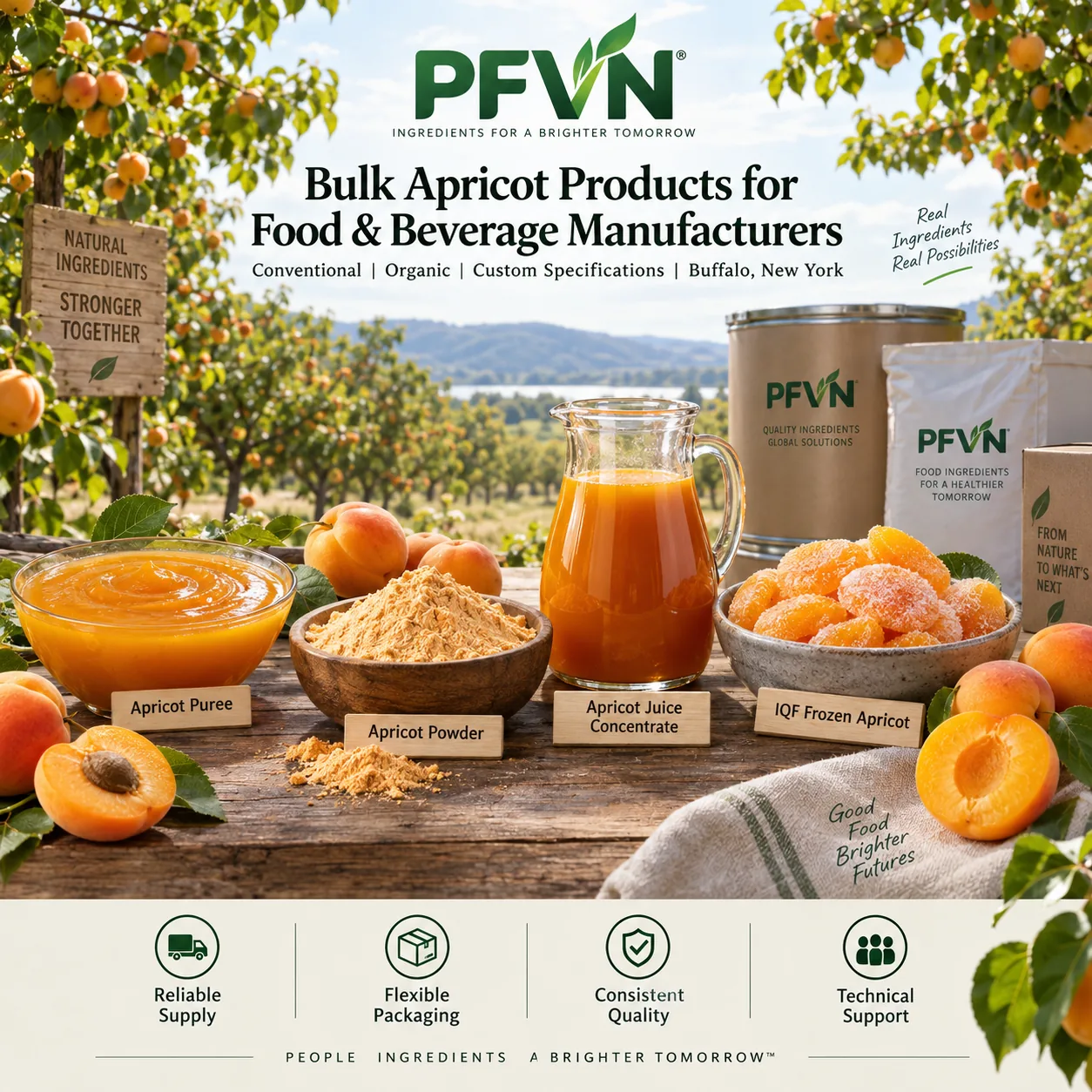
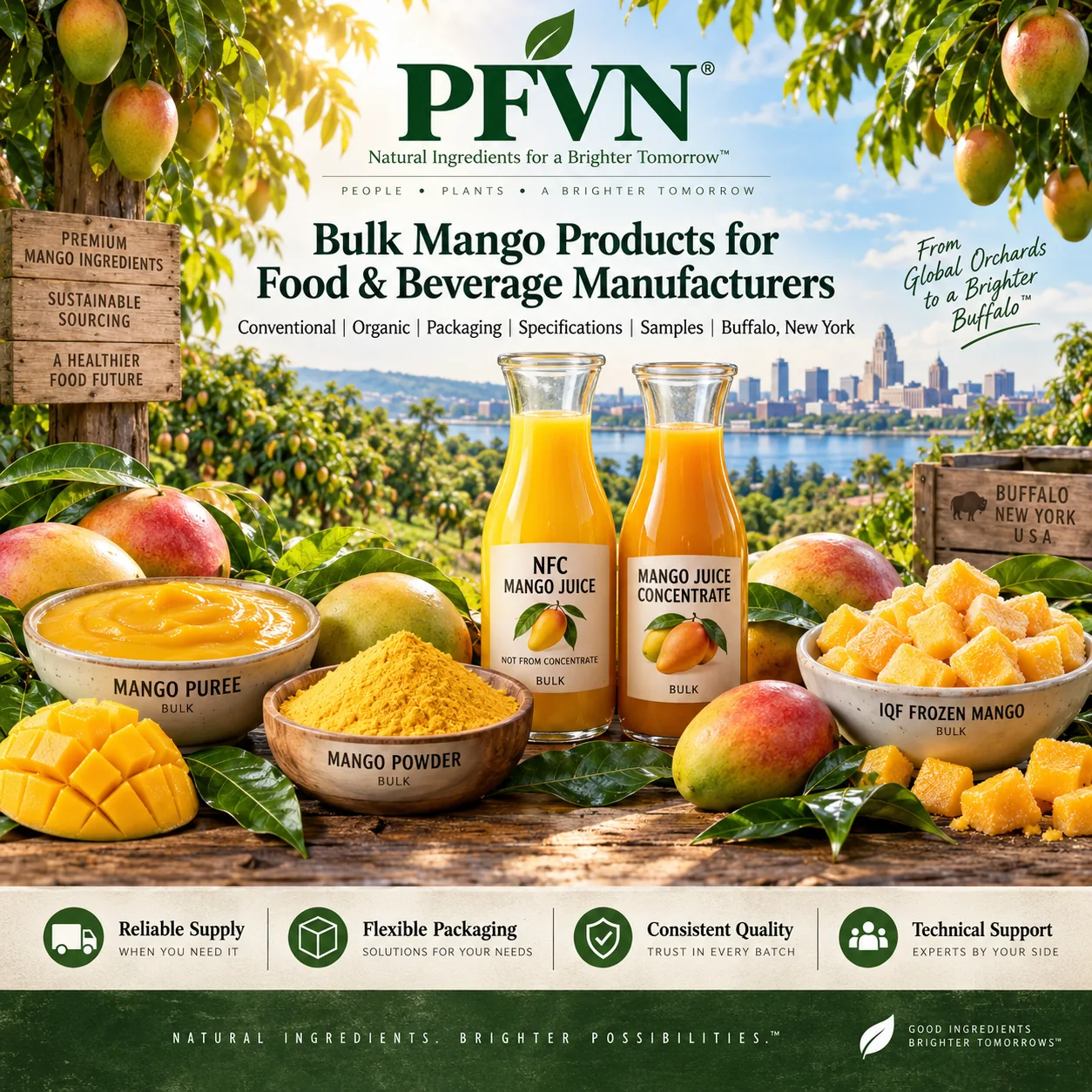
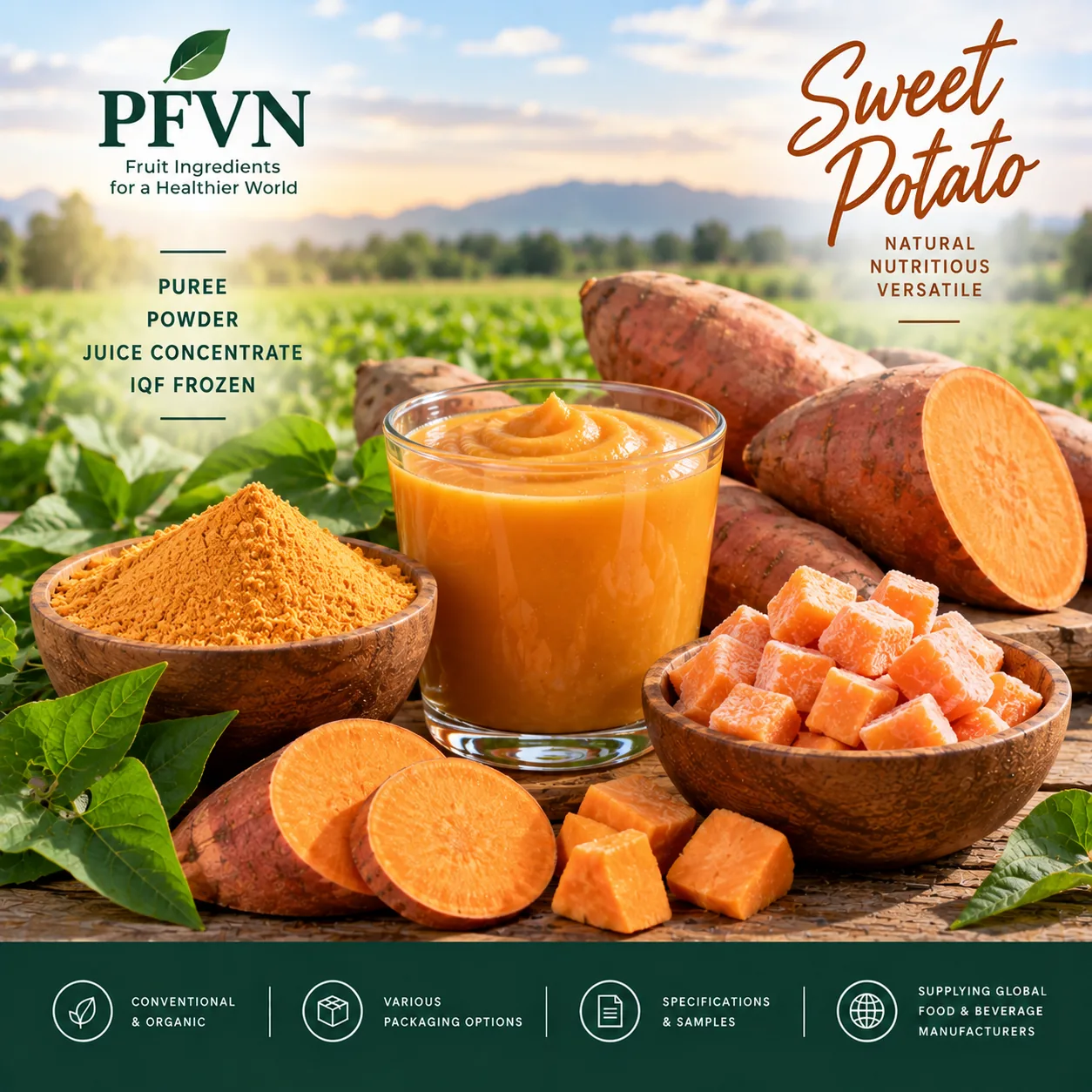
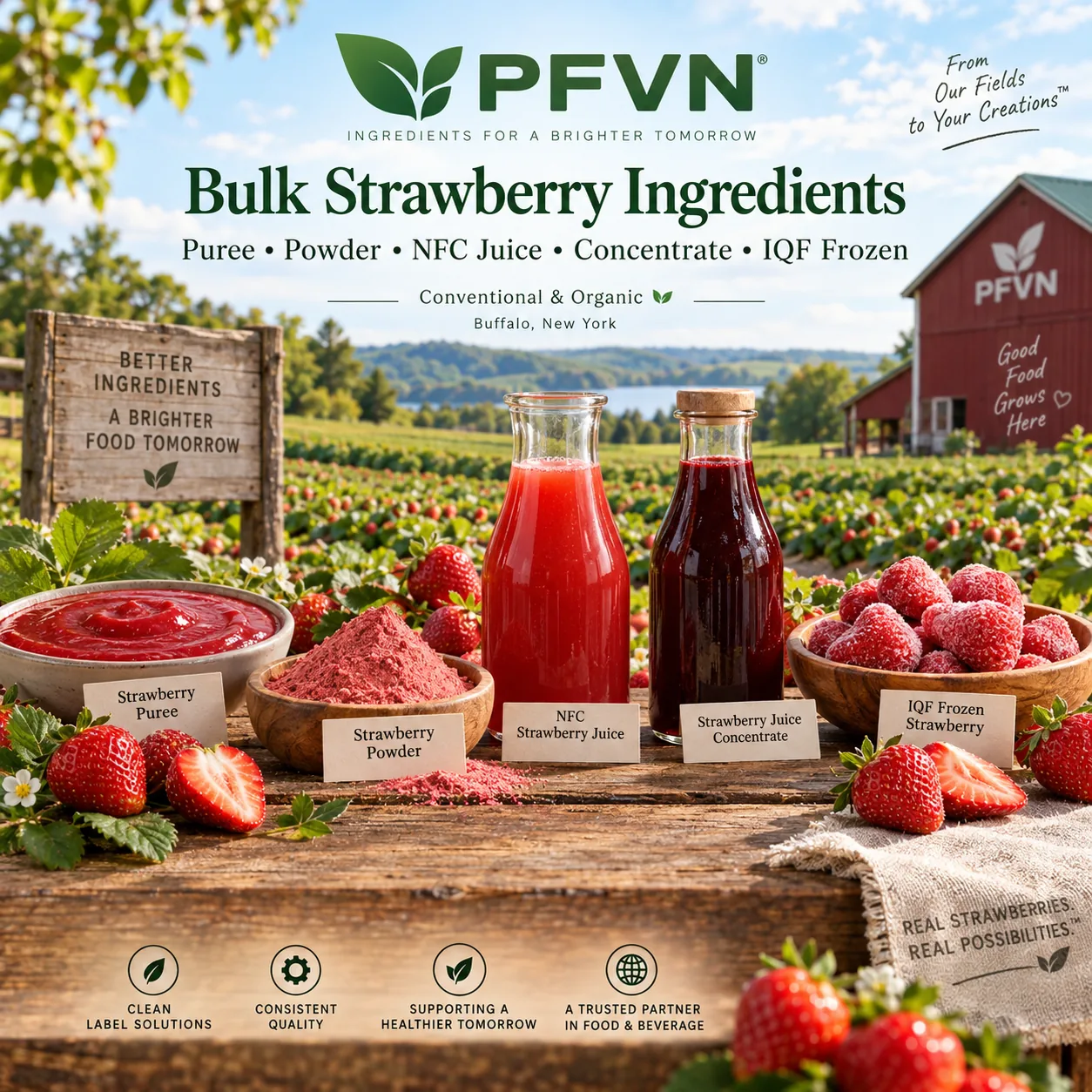
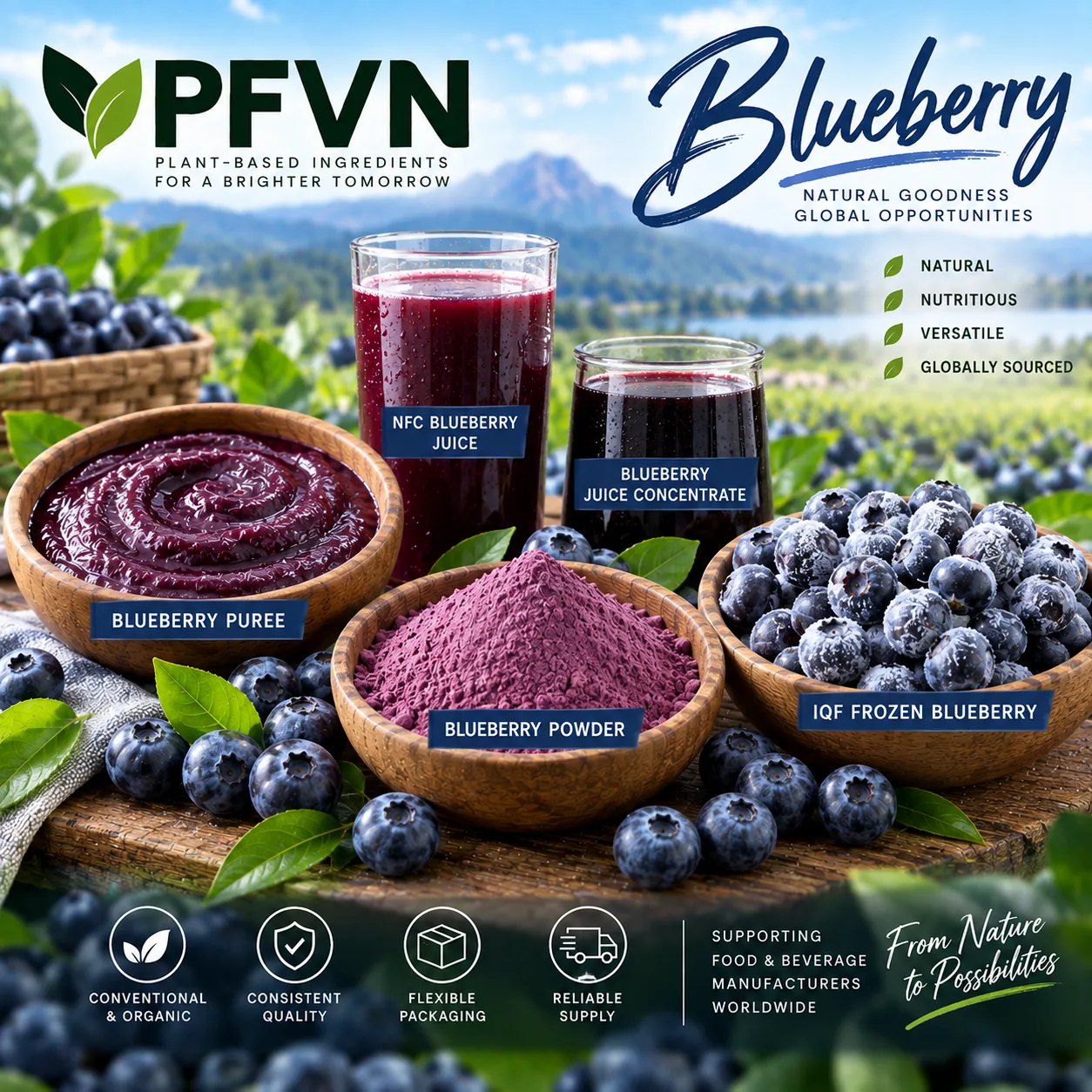
The natural composition of the raw material determines much of the ingredient's manufacturing behavior. Fruits such as mango and apricot can contribute body, fruit solids and characteristic aroma, while berries provide stronger color and flavor but may require closer control of seeds and particulate matter. Pumpkin, carrot and sweet potato are useful where mild flavor, vegetable solids and a naturally substantial texture are desired.
Crop variety, harvest maturity, growing region and season can affect natural sugar-acid balance, color, flavor intensity and texture. Industrial processing is therefore designed to convert an agricultural raw material into a more consistent commercial ingredient, but buyers should still define acceptable analytical and sensory ranges rather than assuming every crop or origin will perform identically.
Define the finished texture before approving the ingredient
A puree suitable for a smoothie, bakery filling or beverage is not automatically appropriate for baby food. The required finish should be selected around the intended eating texture, pumping system, heat treatment and filling equipment. Smooth products generally require tighter control of particle size and fibrous material, while products designed with more texture can use a different puree finish.
Bench evaluation should therefore reproduce the intended inclusion level and processing conditions. Final approval should be based on how the ingredient performs in the finished formulation rather than on a supplier sample evaluated by itself.